Takaragawa Onsen

A couple of weeks ago, I got a chance to go back to Takaragawa Onsen, one of the coolest onsens in Japan. I went there last summer for the first time after a hiking trip. Let me refresh your memory here.
We stopped en-route here after a snowboarding trip a couple of weeks ago.
This time got to experience the onsen in the winter. There’s nothing like an onsen after a day on the slopes.

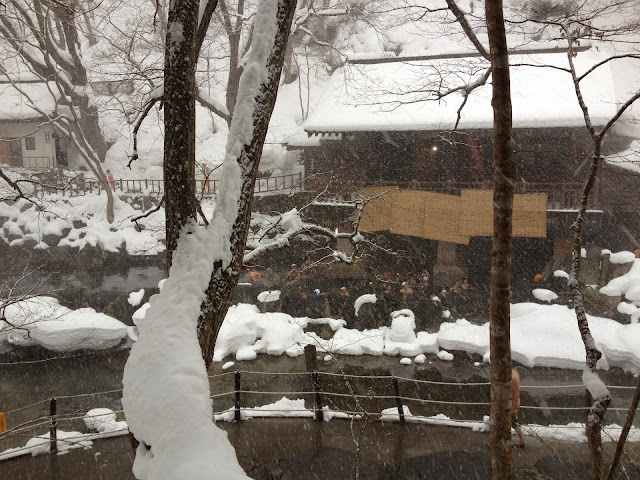
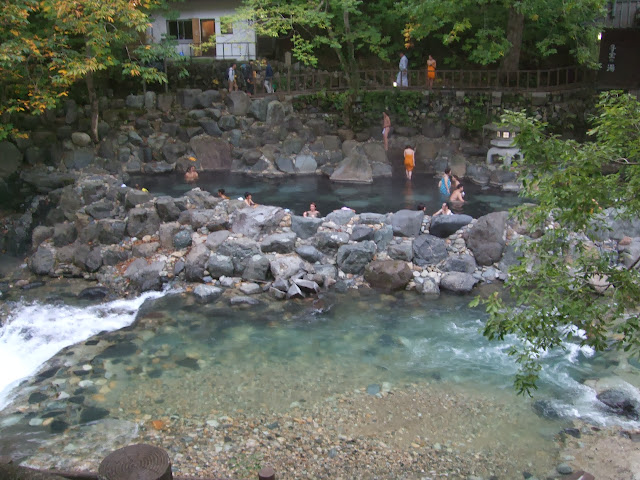
Takaragawa Onsen is supposedly Japan’s largest rotemburo/outdoor natural hot springs.

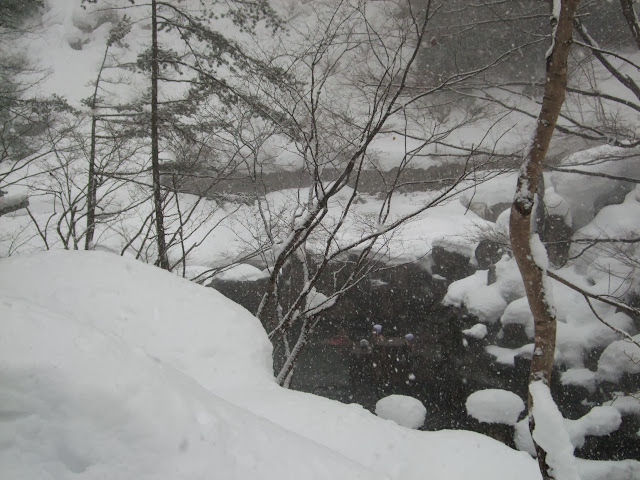
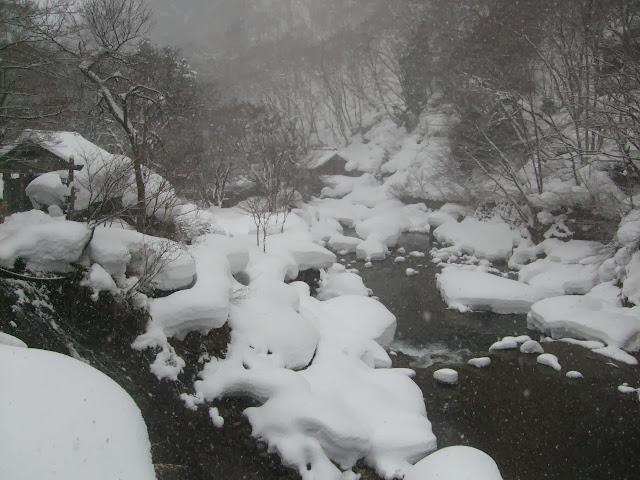
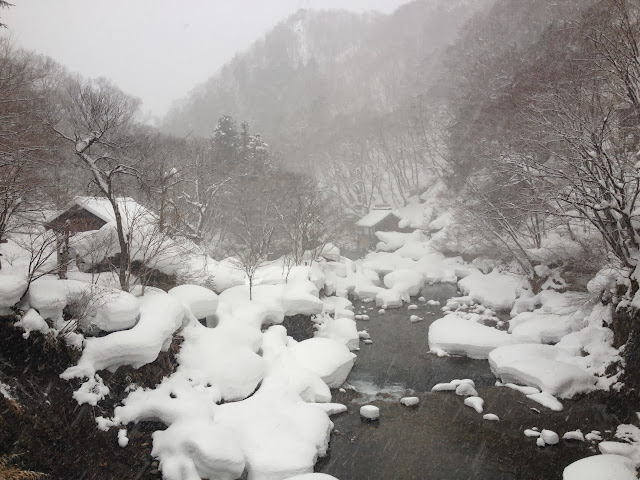
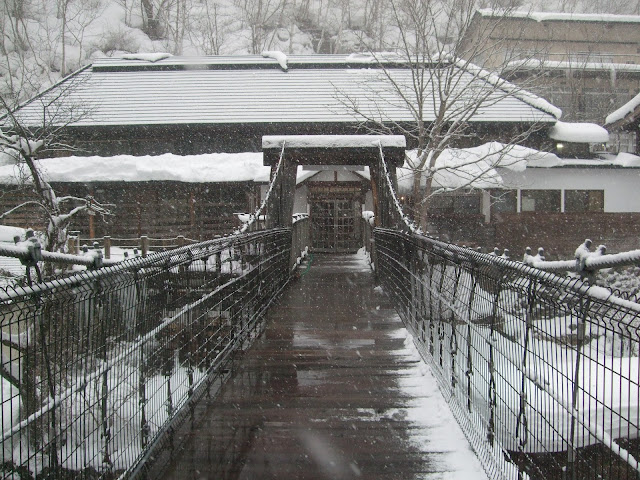
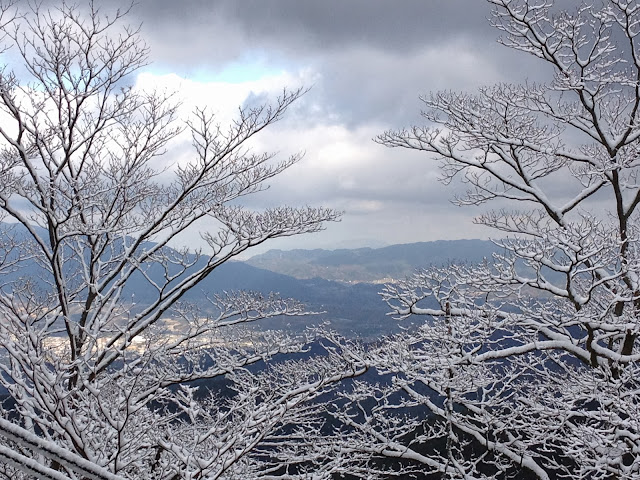
From Takaragawa onsen – winter

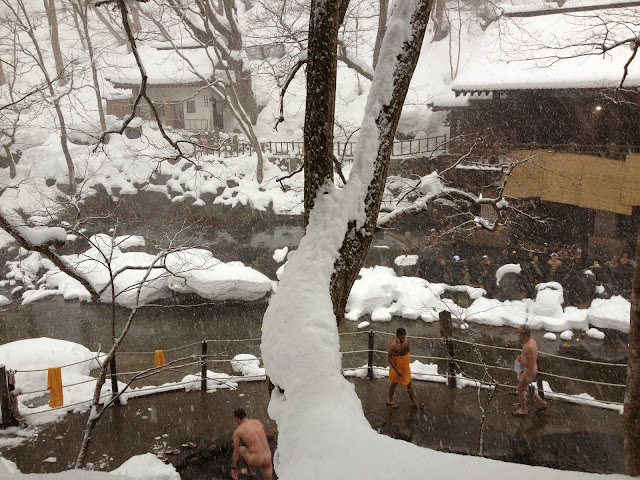
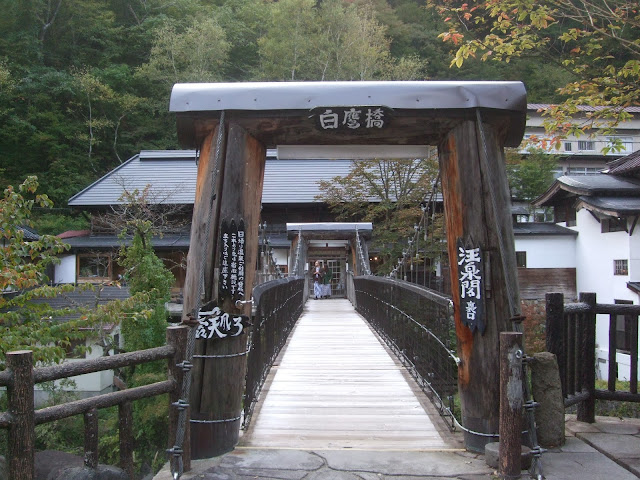
It indeed boasts 4 or 5 outdoor onsen baths. All of them are outdoors (there are no indoor baths here) and they are set alongside a river down in a valley. And yes, this includes doing a nudey run across a bridge to reach the hot springs on the other side! Just don’t slip and fall!

The onsen is quite traditional, in that there are no washing areas. Unlike most onsens where you are required to clean and shower before enter the communal bath, here there are no such facilities. You throw a bucket of water over yourself to rinse before plunging into the bath.

And oh, the other thing I should probably mention is that it is a mixed gender hot spring. There is however one single-sex bath and that is for women only. They do however provide large bath towels which you are allowed to cover yourself in and then immerse yourself into the onsen. At all other onsens, bringing towels into the bath is a big no-no. Most women tend to cover up here although they can choose not to. Men on the otherhand opt to go a la naturale here. Although some men will cover up in towels. But don’t expect them to. But given the freezing conditions, they would have been wise to 😉
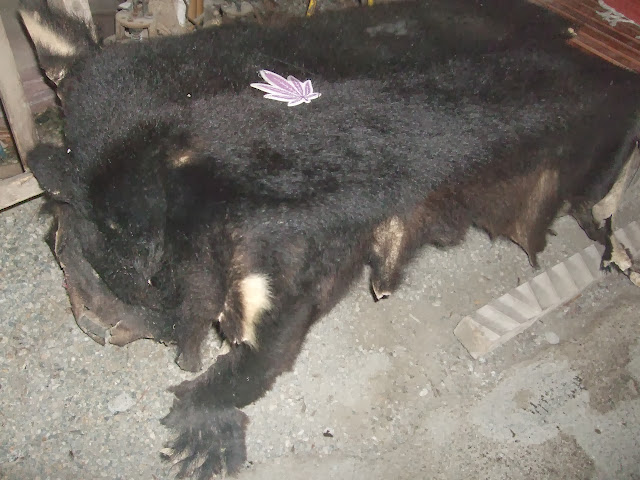
The place itself is a little bizarre, requiring you to walk through a tunnel resembling a garden shed of dubious looking weapons and artefacts?

From Takaragawa onsen – winter

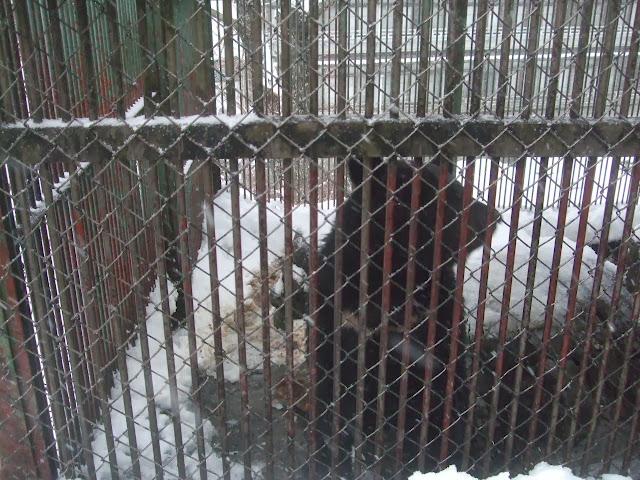
And they also have real live bears, as you do!

From Takaragawa onsen – winter

They currently have 7 bears as stated in the sign above.
…but I reckon there used to be eight….

From Takaragawa onsen – winter

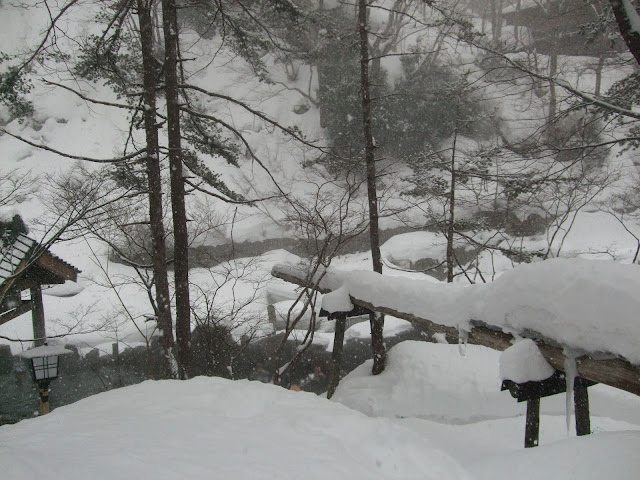
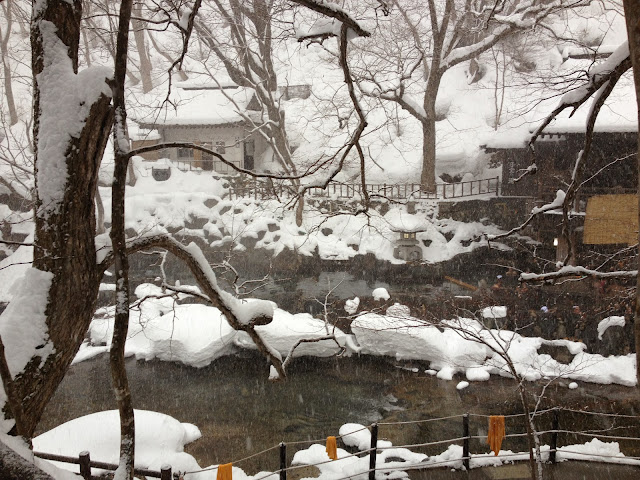
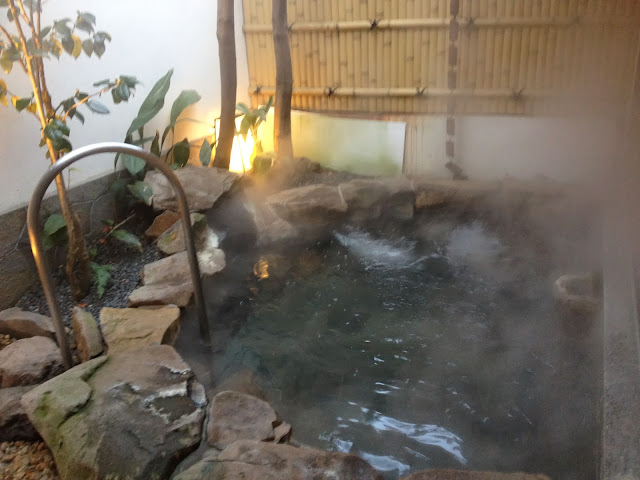
The rotemburo baths looked very pretty in the snow:

From Takaragawa onsen – winter

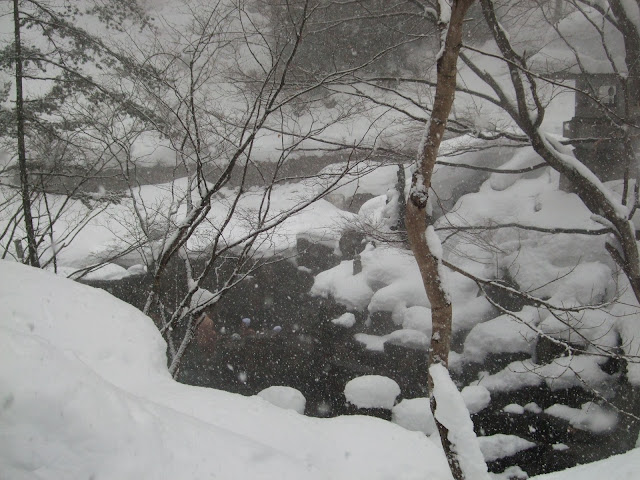
My sixth sense says: I see naked people.

From Takaragawa onsen – winter

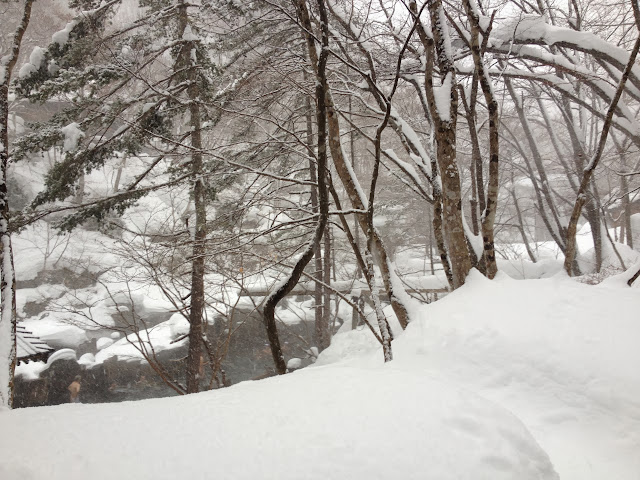
Upstream, along the river:

From Takaragawa onsen – winter

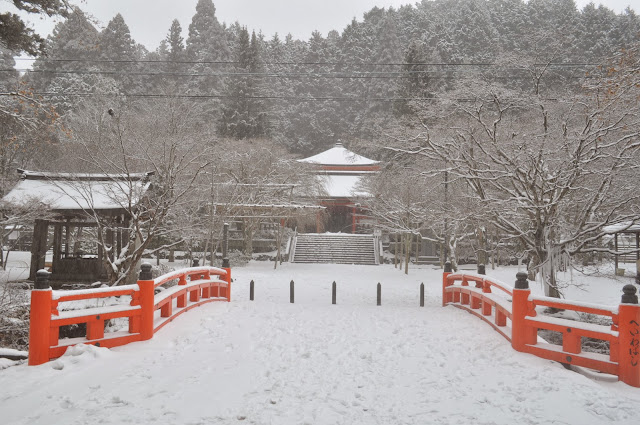
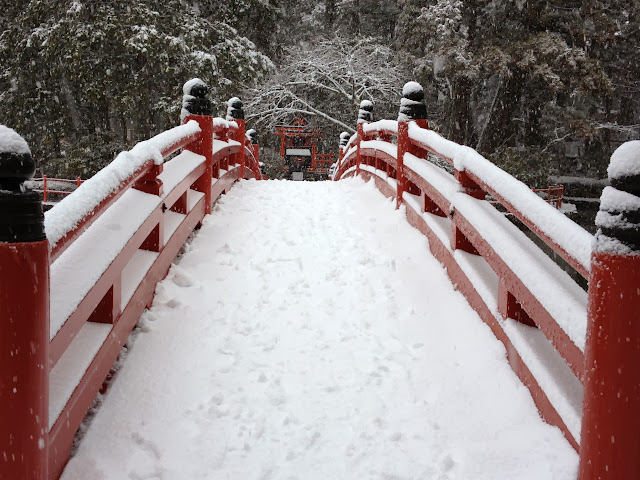
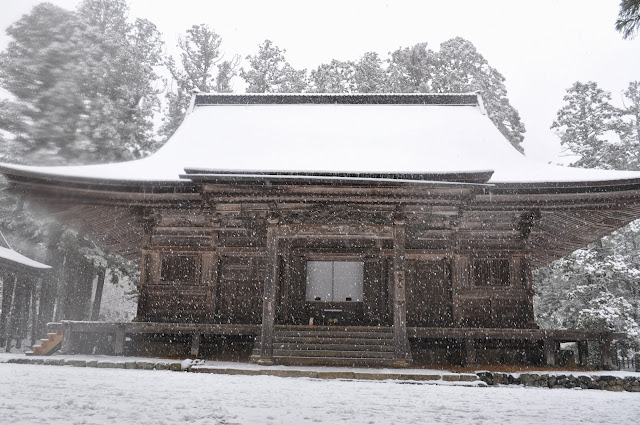
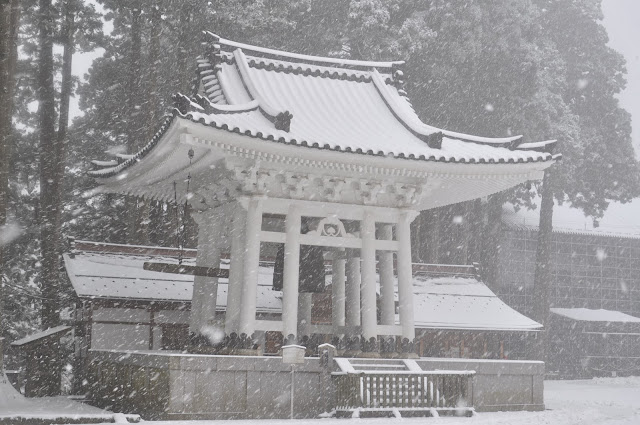
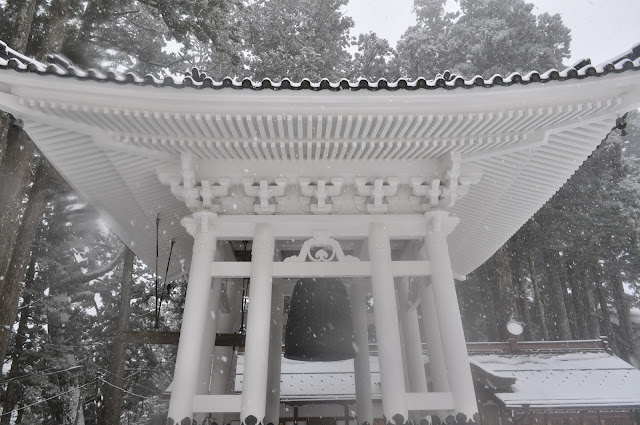
A Zen weekend at Koyasan

I fear the clock is ticking, so I’ve been working my way through my Japan bucketlist. Before Christmas last year, I took a weekend trip to Koyasan.
Koyasan is technically the start and end point of the 88 Temple Pilgrimage (Henro Trail) in Shikoku – another thing on my life bucketlist, but that requires 3 months of putting my life on hold (as well as savings) to walk 1200km.

Koyasan is in Wakayama prefecture, so at least I got to cross off my 36th (or is 37th?) prefecture in Japan. Only a few more to go now. It is the capital and headquarters of Shingon Buddhism, and a popular place to visit for a shukubo (an overnight stay at a temple). It is also home to the Kobo Daishi Mausoleum.

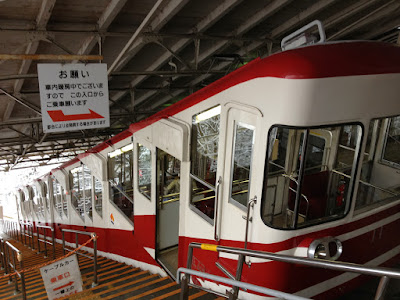
It is an interesting enough place to visit. I went in the middle of winter, where there were barely any crowds. It’s normally quite the tourist attraction. I took an overnight bus from Tokyo to Osaka on a Friday night, and arrived in Osaka in the morning. From Osaka, I made my way by train to Gokurakubashi station. From there, the only way up is by cable car up the mountain about 1000m above sea level.

Train bound for Koyasan:

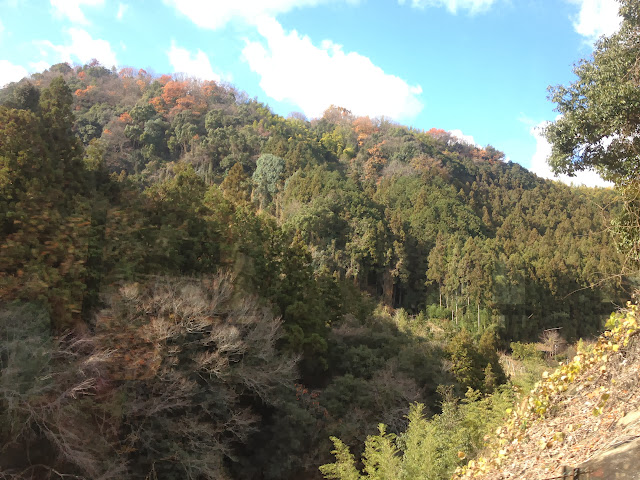
From Koyasan

And then the cable car.

From Koyasan

I think I nearly took every kind of automotive/vehicle to get here:
A bus, a train, a cable car, and then another bus.

At the top of the cable car, you’ll reach the bus stop which gives you access to Koyasan. Apparently, it is forbidden to walk from the bus terminal into the main town centre. Plenty of buses await:

From Koyasan

This particularly weekend happened to be super snowy and freezing cold. I spent much of the time being very cold.

Koyasan is a small town atop of a mountain. It has a population of about 4000 people, presumably most of whom are monks, given that there are over 100 temples found here.

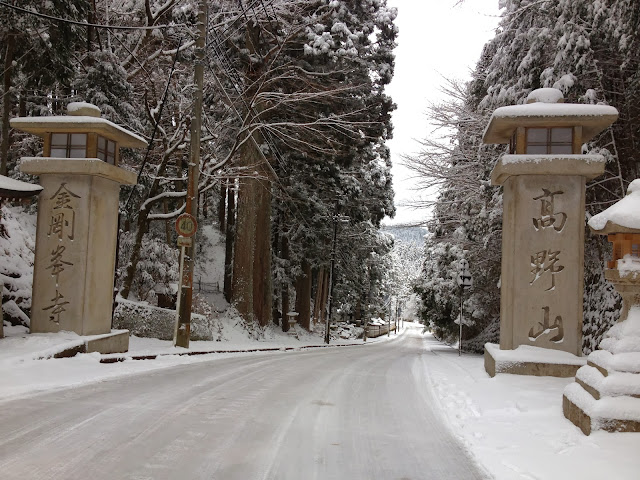
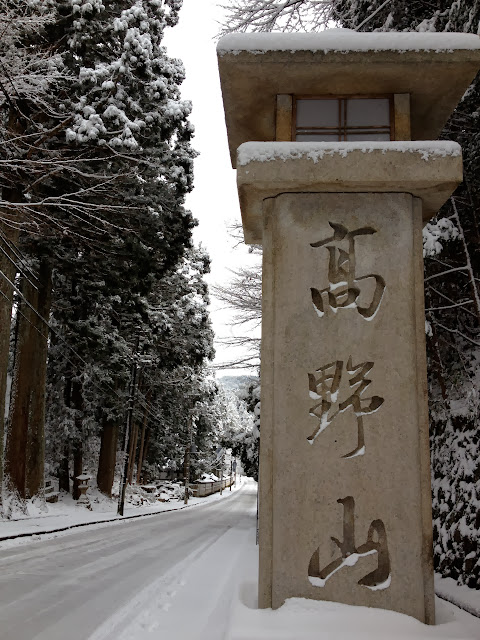
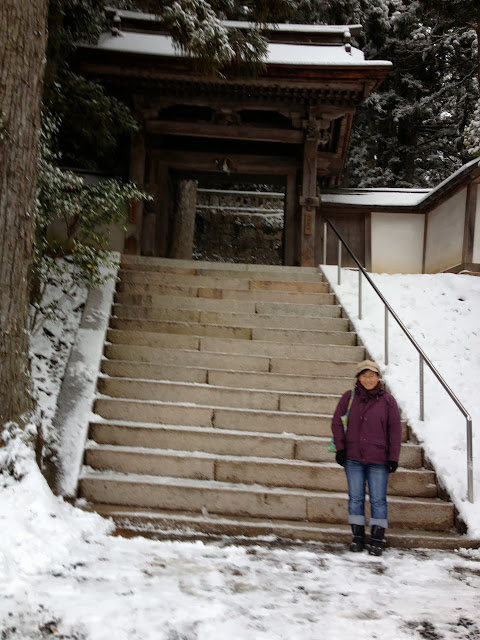
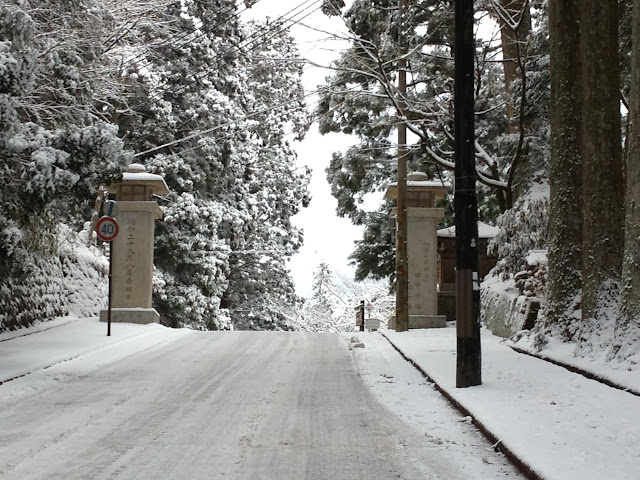
Entrance into Koyasan:

From Koyasan
From Koyasan

Koyasan and Wakayama Prefecture both ticked off the bucketlist. Here’s the proof:

From Koyasan

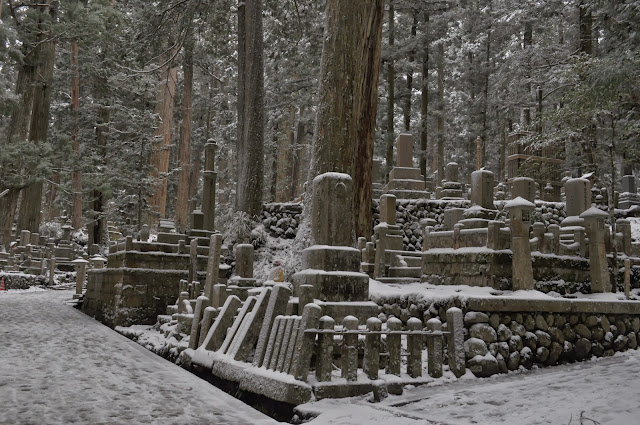
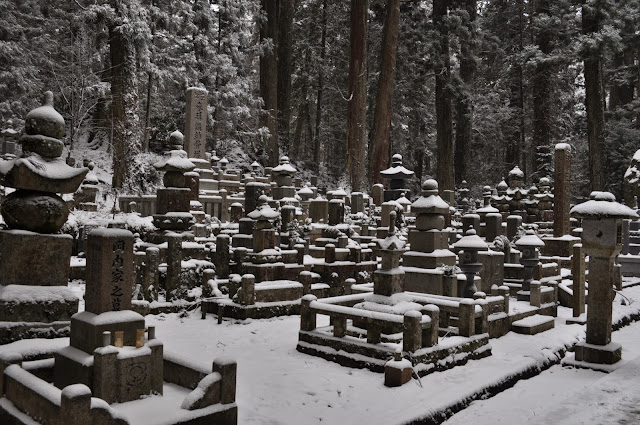
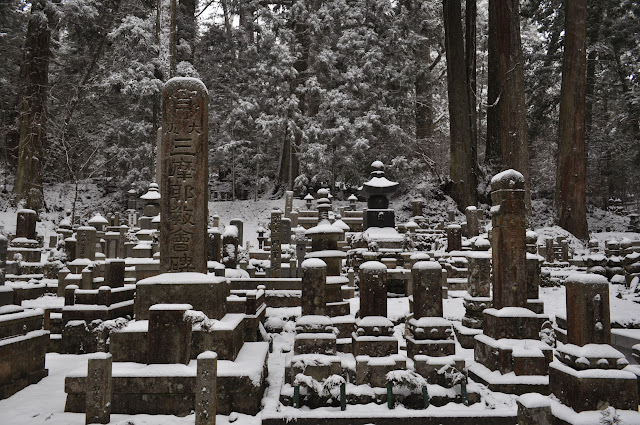
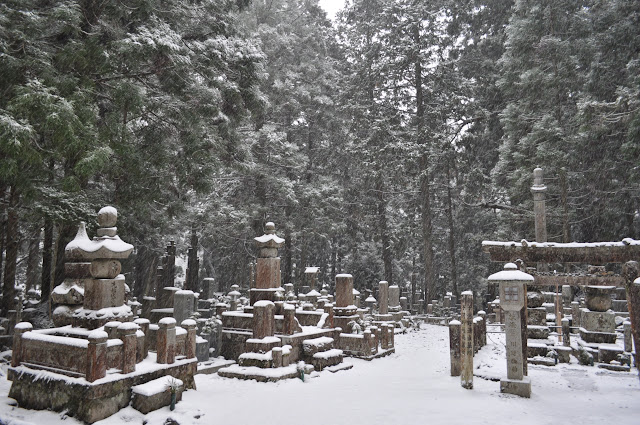
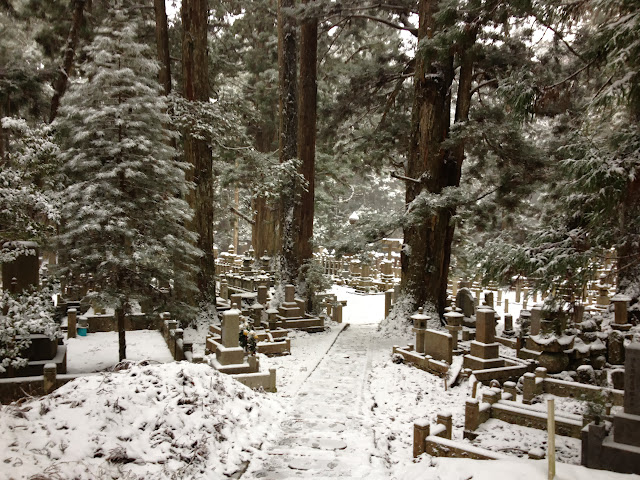
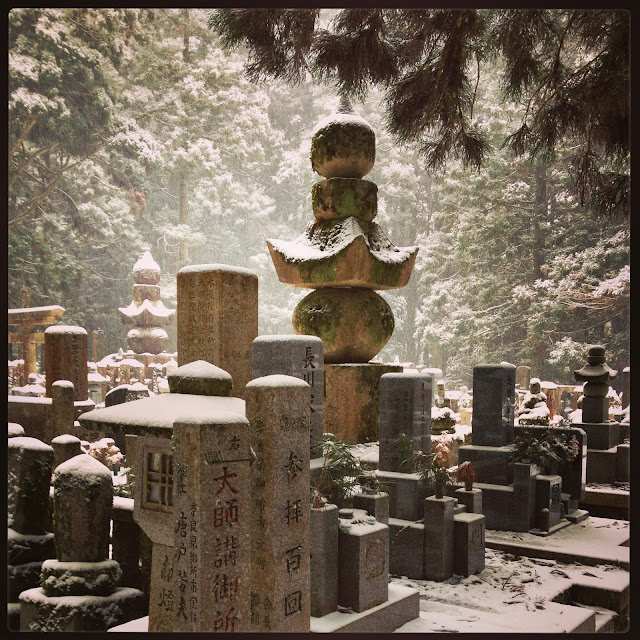
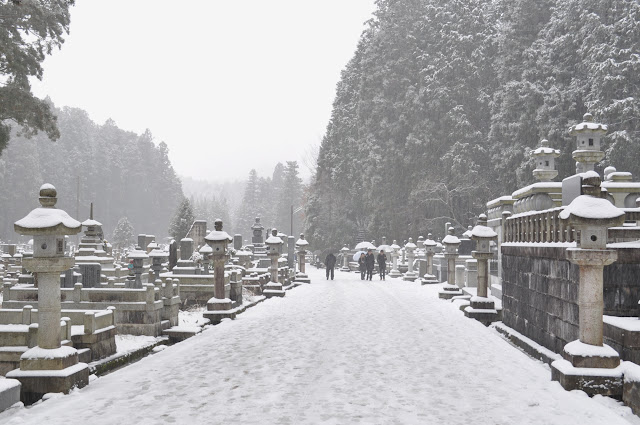
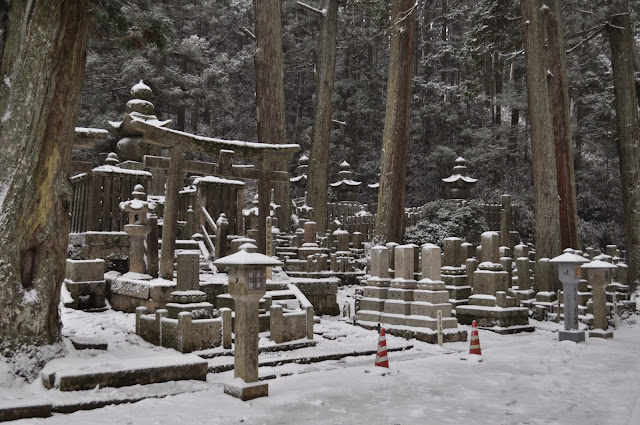
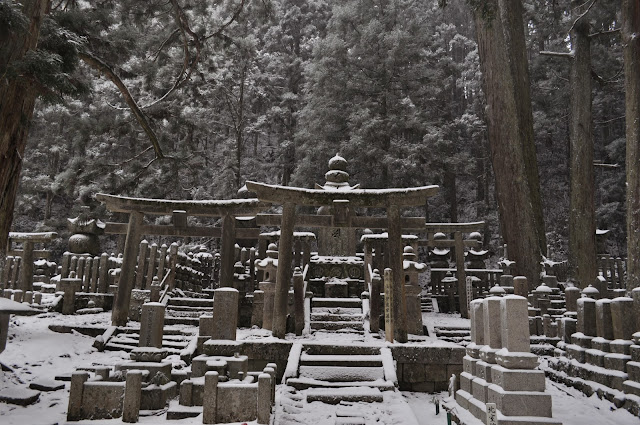
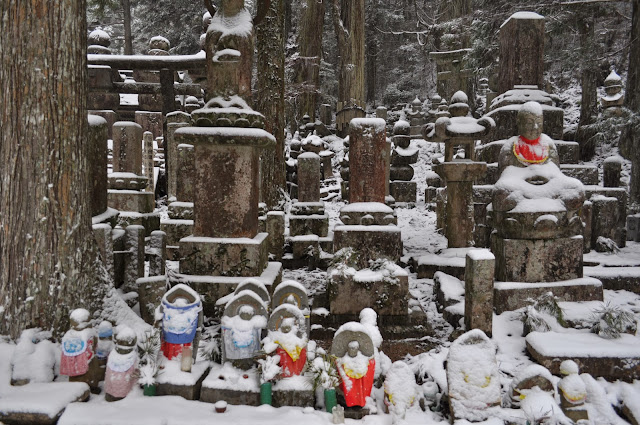
The main attraction here is the Kobo Daishi Mausoleum, which is a 2km walk through the sacred burial ground of Okunoin where you’ll find over 200,000 monuments in a forest of cedar trees:

From Koyasan

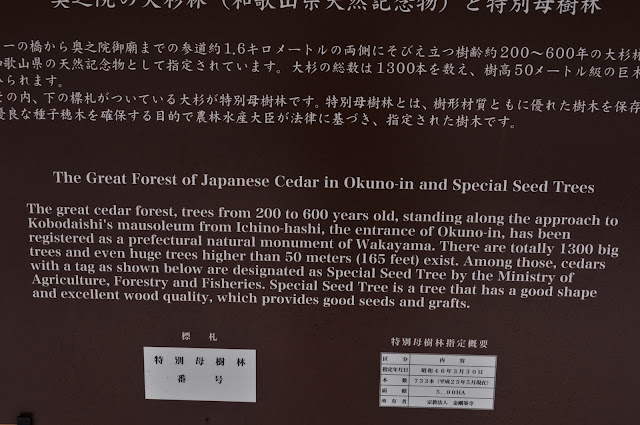
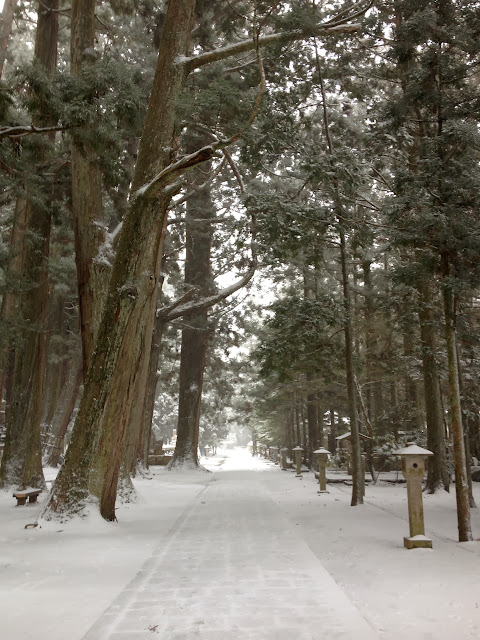
There are lots of cedar trees. According to this sign, about 1300 of ’em. You could say that’s a treemendous amount!

From Koyasan

It was a pleasant, albeit very cold, stroll through the graveyard grounds. There was barely anyone around. Not a soul in sight. It was very peaceful.

From Koyasan
From Koyasan
From Koyasan
From Koyasan
From Koyasan
From Koyasan
From Koyasan
From Koyasan
From Koyasan

Barely a soul around:

From Koyasan
From Koyasan
From Koyasan
From Koyasan
From Koyasan
From Koyasan
From Koyasan

So you get the drift. You walk about 2km along the well-marked trail until you reach the end where the main temple is.

Note: This is the NOT the main temple. This is the rest area where one can thaw out.

From Koyasan
From Koyasan

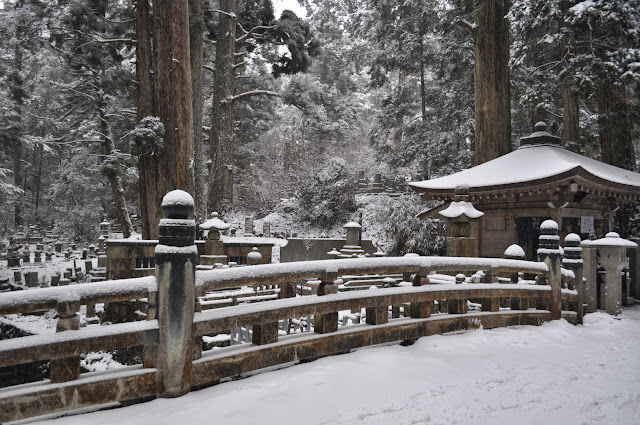
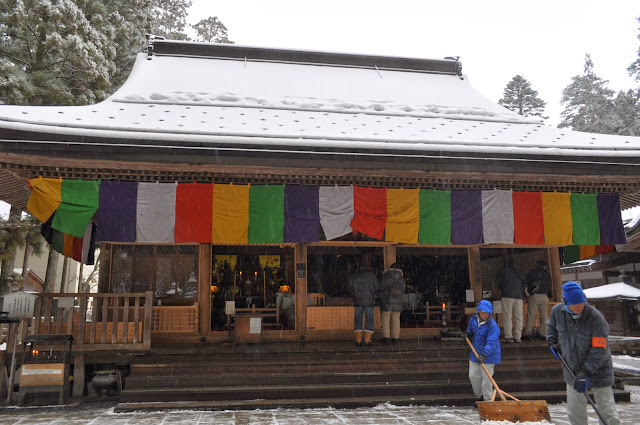
Here is the main temple/sacred area:

From Koyasan
From Koyasan
From Koyasan

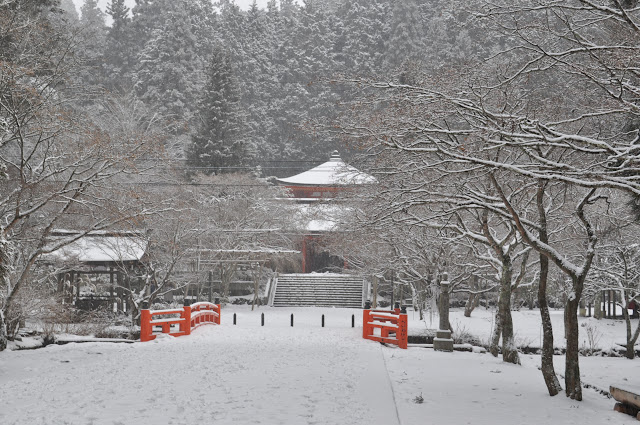
Beyond this bridge is the sacred mausoleum, and no photography permitted:

From Koyasan

For those that don’t want to walk the 2km in freezing snowing conditions through the Okunoin trail, you can actually drive/get a bus straight to the Mausoleum entrance.

I walked some more around the precincts:

From Koyasan
From Koyasan
From Koyasan
From Koyasan
From Koyasan
From Koyasan

From this end, I could have walked all the way back from whence I came, but opted to get the bus back instead into the main town. I bought a pair of snow boots and chucked out the pair I was wearing. I was not prepared for such snowy conditions. Then I did some more sightseeing. There are plenty of different temples to see here.

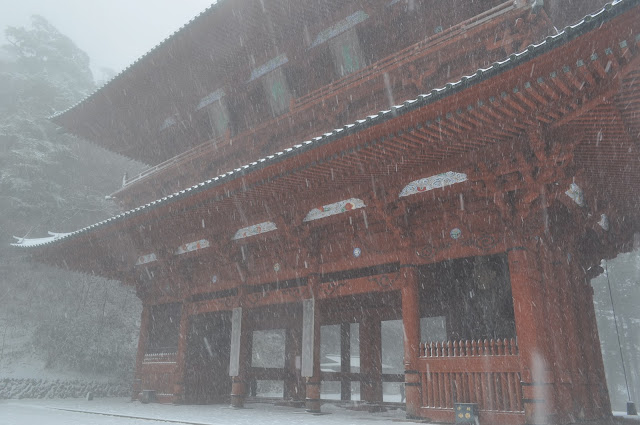
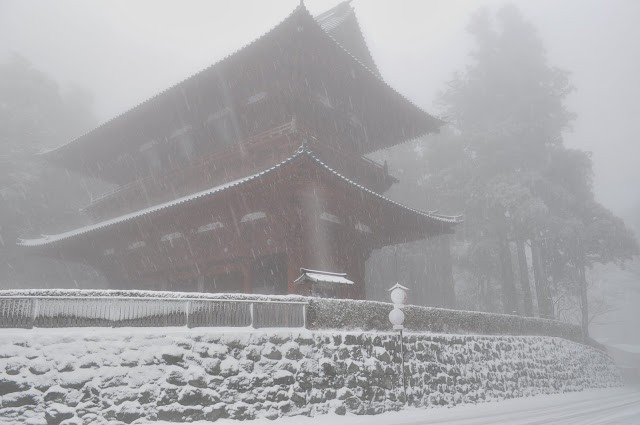
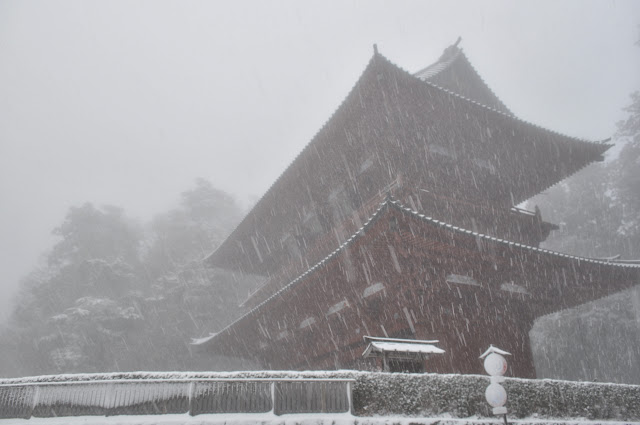
This is the main Daimon Gate:

From Koyasan
From Koyasan
From Koyasan

It was practically a snowstorm by this stage. But nothing gets between me and my sightseeing!

From Koyasan
From Koyasan

It was below zero degrees!

From Koyasan
From Koyasan

Some more trudging around in the snow:

From Koyasan
From Koyasan

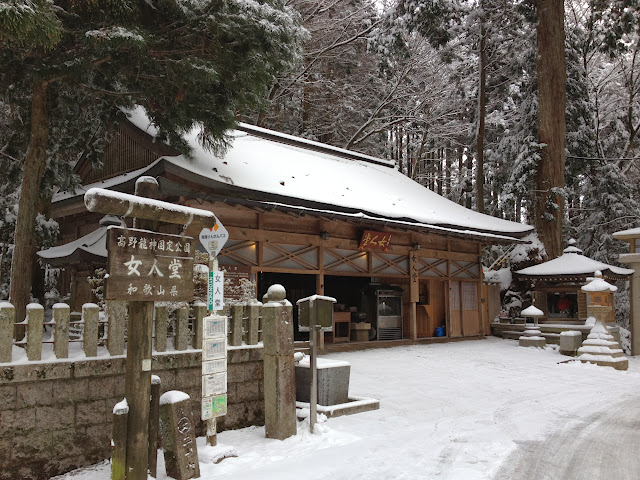
Koyasan was/is a famous pilgrimage trail. There are about 7 roads that lead into Koyasan, but back in the day, women were forbidden to enter this area.

From Koyasan

At around 3pm I decided to check into my lodgings – a shukubo – a temple lodge. I needed to thaw out a bit. I was soo cold. Also having taken the overnight bus, I was kind of in need of a bit of relaxing and chilling out of a different kind.

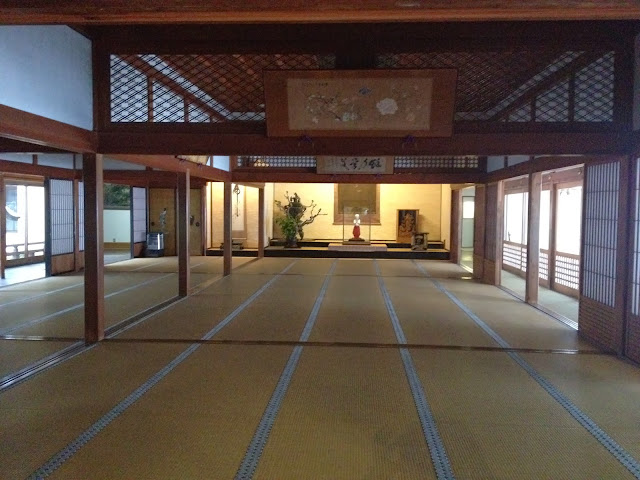
The temple lodging I stayed at was big. It’s one of the more popular places to stay at – it has a nice little onsen inside and a small Japanese garden:

From Koyasan
From Koyasan
From Koyasan

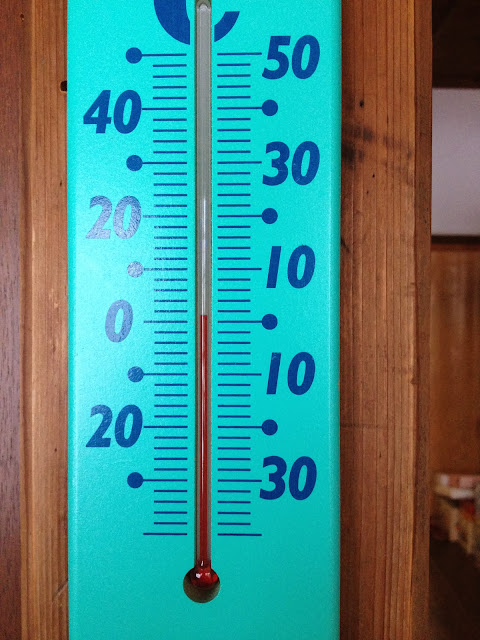
Inside the temple lodge, it was not much warmer. This was the indoor temperature:

From Koyasan

Thankfully, my room though was nice and warm once I cranked up the heating. That was more like it. I thawed out briefly, but heading out again for some more sightseeing before everything shut at 5pm. The town of Koyasan is quite small. Everything is in walking distance…the snow however made getting it around a lot more difficult and unpleasant.

For the rest of the day I took more photos as I walked around through more temple grounds, gardens and parks having a very zen old time.

From Koyasan
From Koyasan
From Koyasan
From Koyasan
From Koyasan
From Koyasan
From Koyasan
From Koyasan
From Koyasan
From Koyasan
From Koyasan
From Koyasan
From Koyasan
From Koyasan
From Koyasan

Escape the crowds. Visit Koyasan in winter:

From Koyasan
From Koyasan
From Koyasan
From Koyasan
From Koyasan
From Koyasan
From Koyasan

Later, back at the temple lodge I had a nice lovely warming onsen to defrost my body. Even had the onsen to myself as very few people were staying there.

From Koyasan
From Koyasan

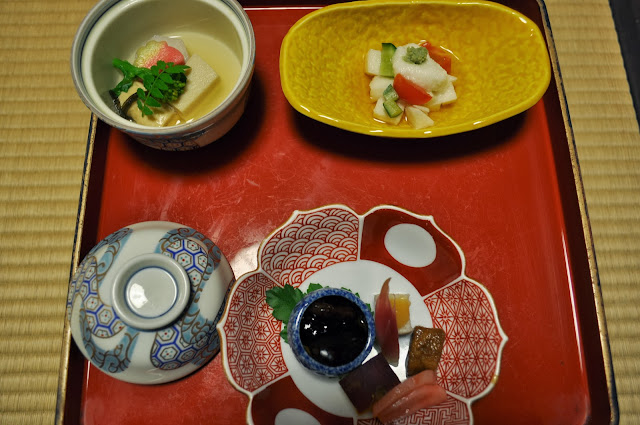
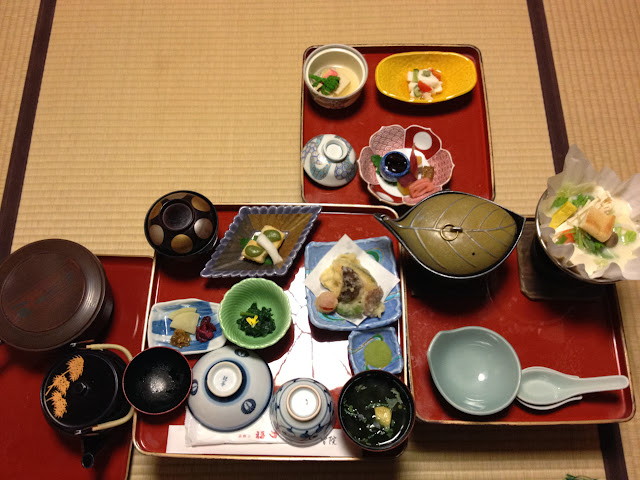
Given that I was staying at a shukubo (temple), the meals served here are all vegetarian – a cuisine known as shojin-ryori (a Buddhist kaiseki vegetarian meal). There was no meat and no fish. There was still plenty of food though. It was quite the spread. And it’s served in your room.

From Koyasan
From Koyasan
From Koyasan

There was vegetable tempura, a soymilk broth nabe, soup, various vegetables and pickles etc, and a big portion of rice to fill you up.

From Koyasan
From Koyasan
From Koyasan

At a lot of these temple lodgings, you can also partake in the early morning meditation service, but I don’t think it was on when I was there. It seemed like a lot of the monks were away on holidays (probably somewhere warm).

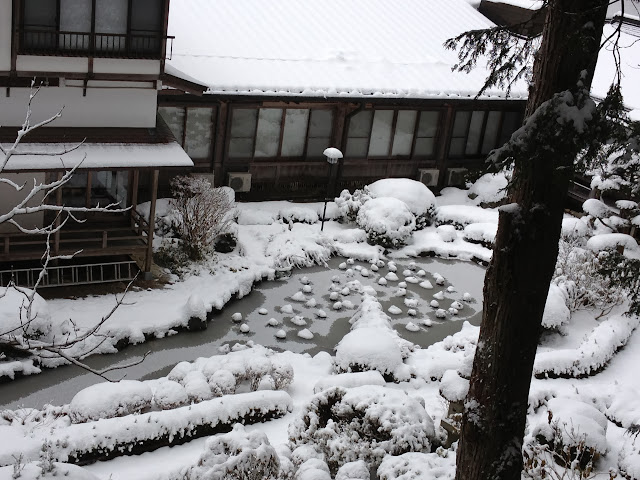
The lodging had a nice small Japanese garden:

From Koyasan
From Koyasan
From Koyasan
From Koyasan
From Koyasan

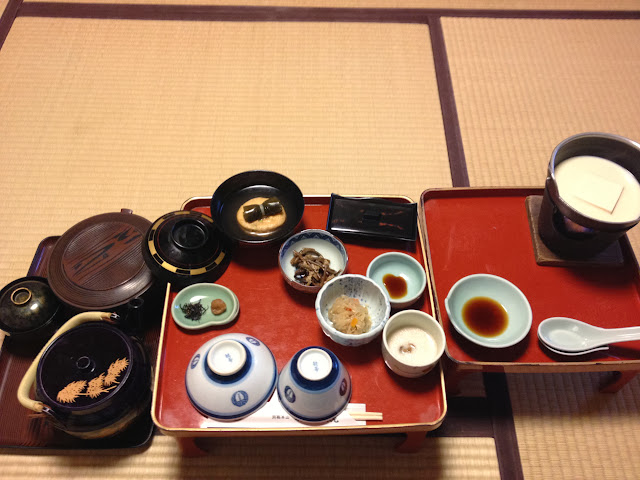
Breakfast in the morning, was another vegetarian course meal:

From Koyasan
From Koyasan

On the Sunday morning, I did a tad more sightseeing before making my way back to the cable car, and the train ride back to Osaka.

From Koyasan
From Koyasan
From Koyasan

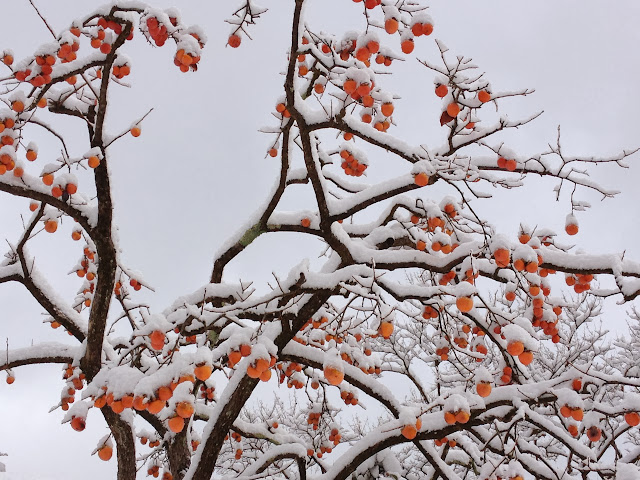
Persimmon tree:

From Koyasan
From Koyasan
From Koyasan
From Koyasan
From Koyasan

View from the cable car:

From Koyasan

Back down on regular ground level, the weather was somewhat warmer and less white:

From Koyasan
From Koyasan

A day and a half (2 days max) was sufficient to see the sights at Koyasan. Probably could have saw a bit more but snow hampered the getting around a bit, even though it was all walkable, the area is serviced by local buses from one temple to another. I also wanted to get back to Osaka to do an afternoon tea there.
Koyasan is a good overnight trip if you happen to be sightseeing in the Kyoto/Osaka area. But yeah, maybe don’t go in the middle of winter.
And I stayed here.
Dumpling central

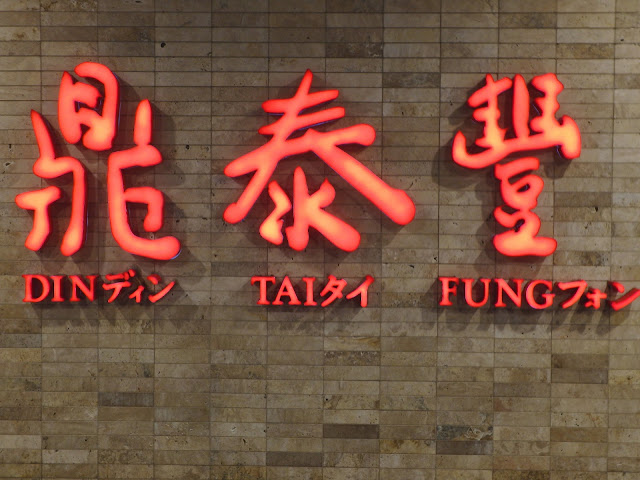
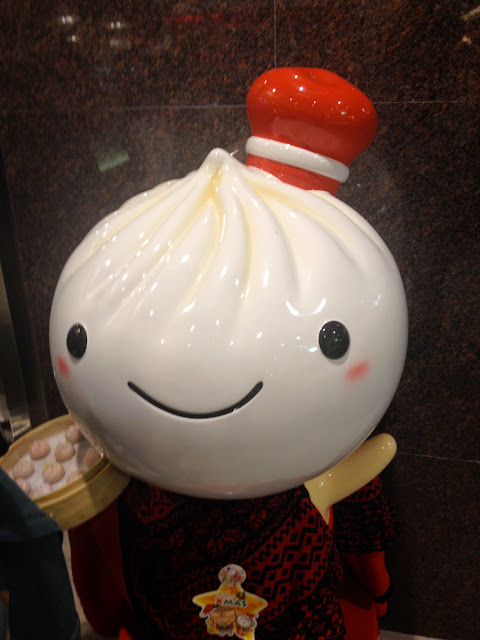
One can’t go to Taiwan and not go to Din Tai Fung – the dumpling mecca of Taiwan.
I’ve actually been to Din Tai Fung in China and Japan, but Taiwan is home to the original Din Tai Fung : award-winning dumplings.

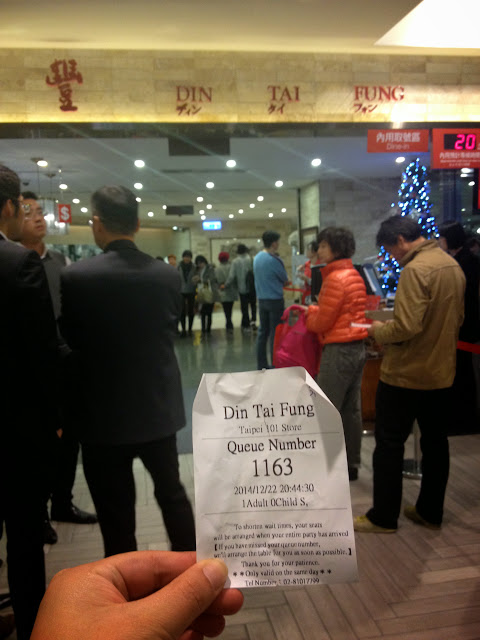
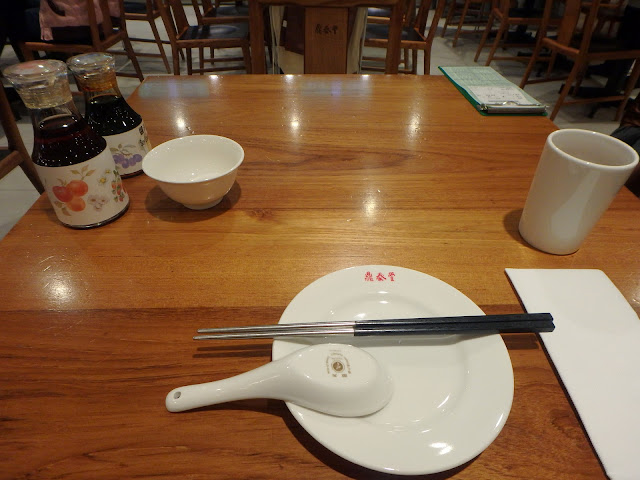
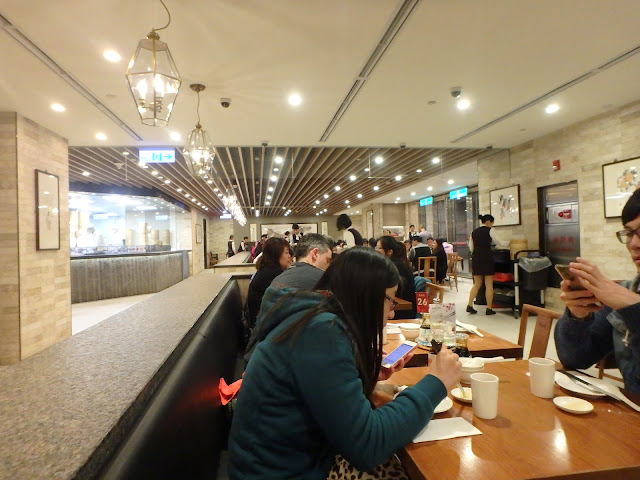
The lines at all the Din Tai Fung outlets are crazy. I went to the Taipei 101 Tower outlet.

From Din Tai Fung
From Din Tai Fung

Be prepared to wait:

From Din Tai Fung

Take a number, they said:

From Din Tai Fung
From Din Tai Fung
From Din Tai Fung
From Din Tai Fung

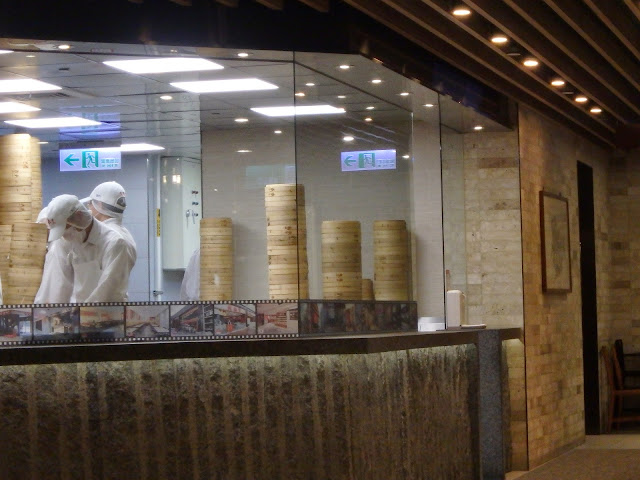
The dumplings are prepared with surgical precision in the operating theatre:

From Din Tai Fung
From Din Tai Fung
From Din Tai Fung

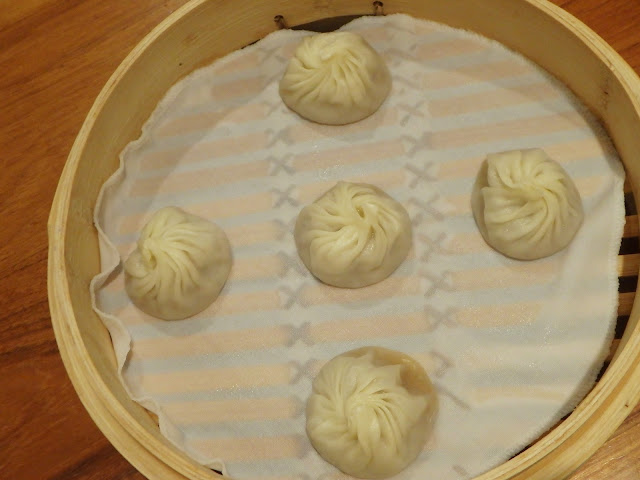
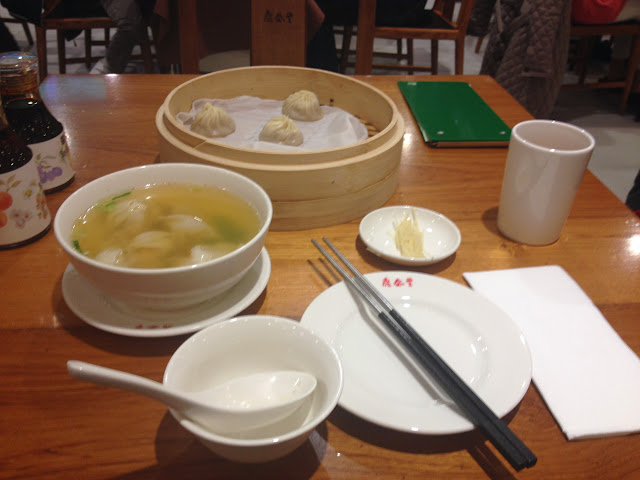
I ordered the shorompo (soup dumplings):

From Din Tai Fung
From Din Tai Fung

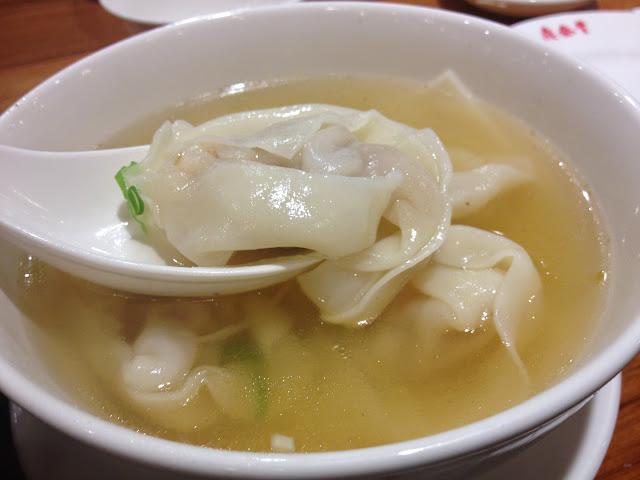
And a wonton soup:

From Din Tai Fung

I was thinking that the dumplings would be overrated, but they REALLY were that good.
Even the broth for the soup was just so clean. So pure. So tasty.

The perfect meal:

From Din Tai Fung
From Din Tai Fung
From Din Tai Fung
From Din Tai Fung

But dem shorompo need to be eaten with safety warning. You’ve gotta watch out for when the soup inside the dumpling squirts on your face. I’m sure it’s happened to us all. I have since learnt to pierce the dumpling and let the soup run into the spoon first.

Ate at Din Tai Fung. Taiwan done. Next stop airport. Just kidding. Plenty more stuff was seen and eaten in Taiwan.

First snowboard of the season

Managed to get in the first snowboard of the season. And perfect conditions for it too.
Lots of fresh powder snow.
Went to Naeba and Kagura ski resort.
Highly recommend Kagura. Loved it out there. Lots of nice green runs. Probably one of my favourite resorts on Honshu.

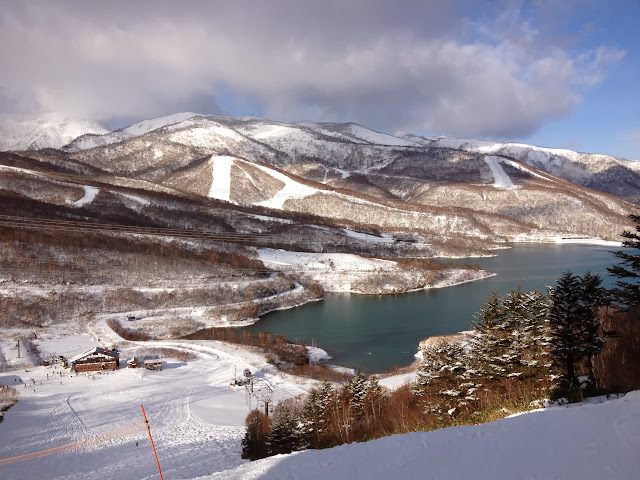
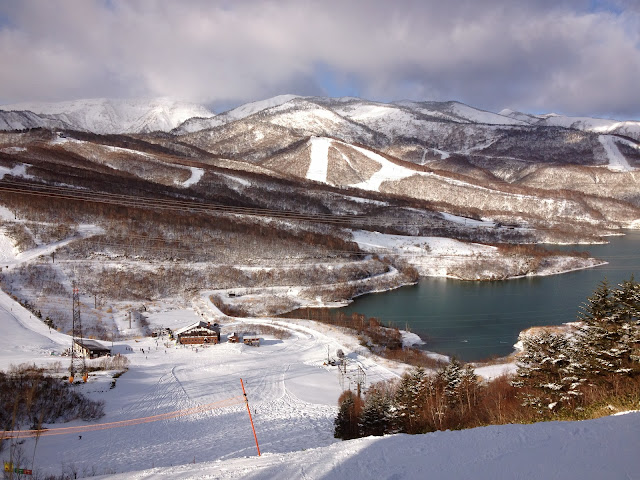
Snowboarding with a view:

From Kagura snow

View of Lake Tashiro:

From Kagura snow

Lots of nice wide runs for beginners like me: Perfect. And a bluebird day too.

From Kagura snow

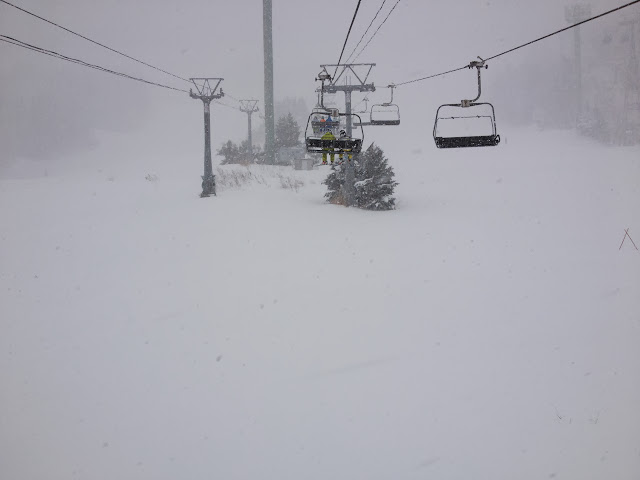
Look! It’s snowing!

From Kagura snow
From Kagura snow
From Kagura snow

The next day, it dumped powder snow all day. Visibility not as good as the previous day though.
Winter Wonderland:

From Kagura snow

Mount Eboshi

It’s been a long time since I’ve posted.
Lots of bad luck recently, including a sprained ankle whilst going on a short but steep hike over the weekend.
Ankle has pretty much recovered in record time.

Clear winter’s day and caught my first snowfall for the season.

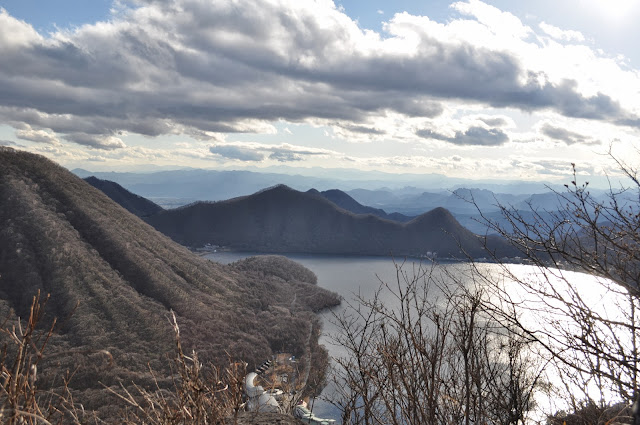
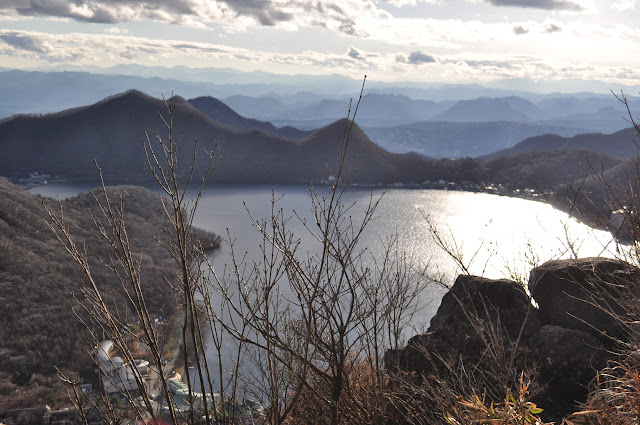
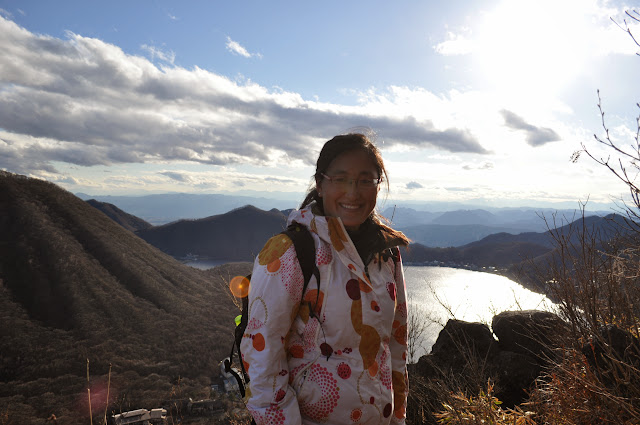
Steep hike, but the views over Lake Haruna and the mountain valley below were well worth it. Enjoyed the onsen by the lake afterwards as well.

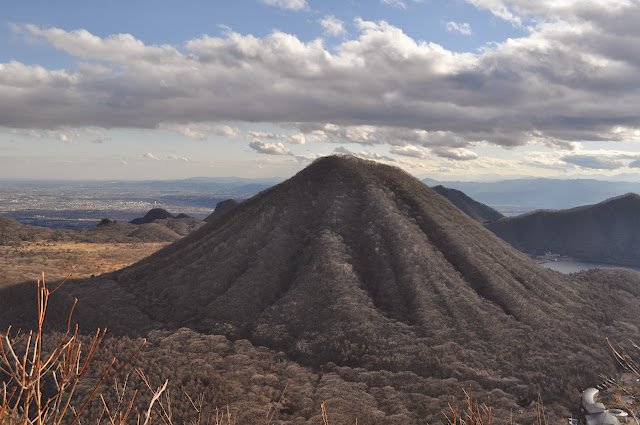
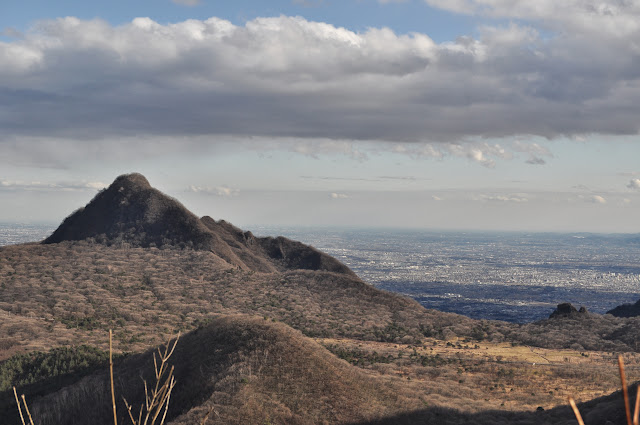
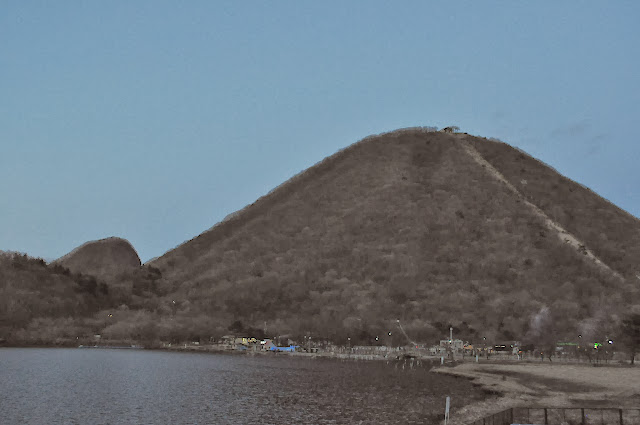
This is not the mountain we hiked:

From Mt Eboshi and Lake Haruna

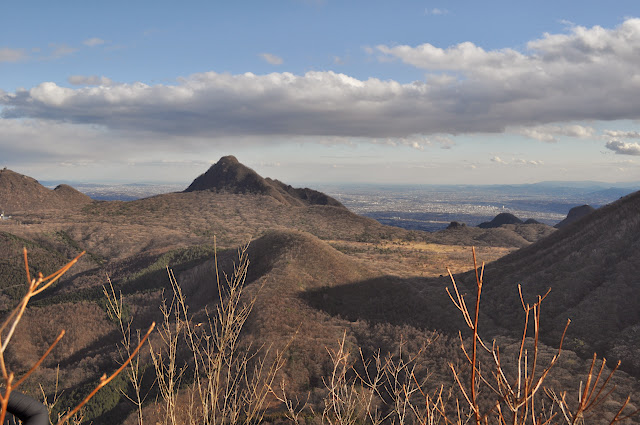
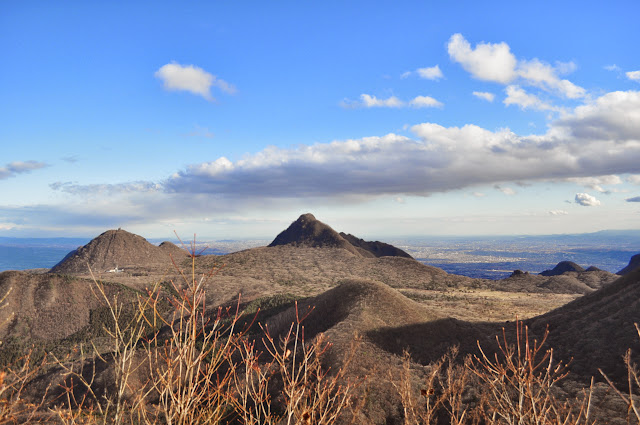
More photos of the mountain not hiked:

From Mt Eboshi and Lake Haruna

View from the mountaintop of the mountain we did hike:

From Mt Eboshi and Lake Haruna

I’m hoping this gif works!

From Mt Eboshi and Lake Haruna

Lake Haruna:

From Mt Eboshi and Lake Haruna

Despite the sunshine and blue skies, the weather was absolutely freezing. I had two layers of pants, and about 4 top layers including a snowboarding jacket.

From Mt Eboshi and Lake Haruna

Back on ground level:

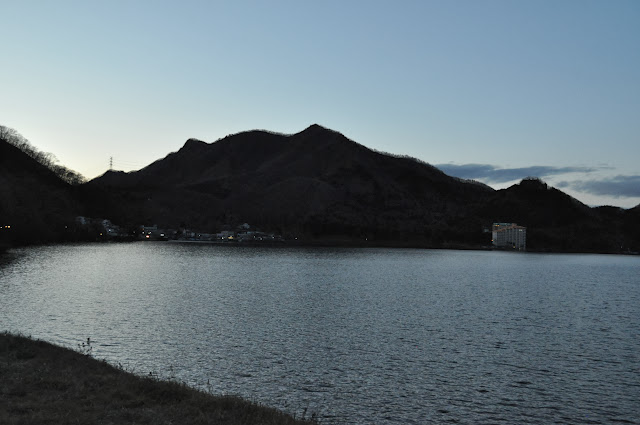
The little knob of a mountain towards the left of this photo (not the big main dominating mountain), is the actual mountain we hiked:

From Mt Eboshi and Lake Haruna

Lakeside by Lake Haruna:

From Mt Eboshi and Lake Haruna

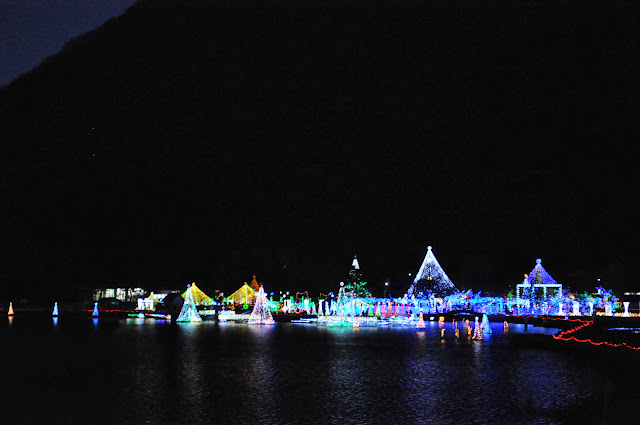
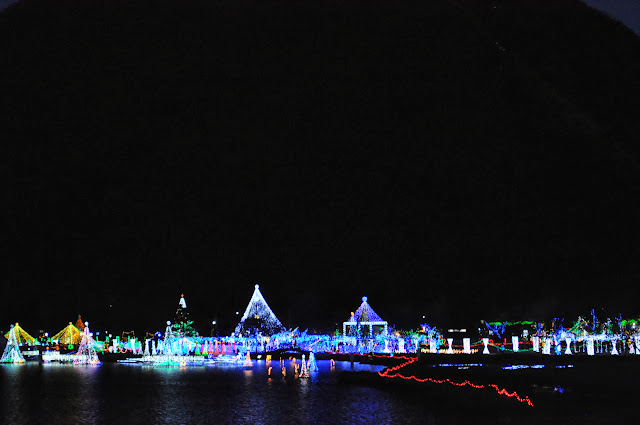
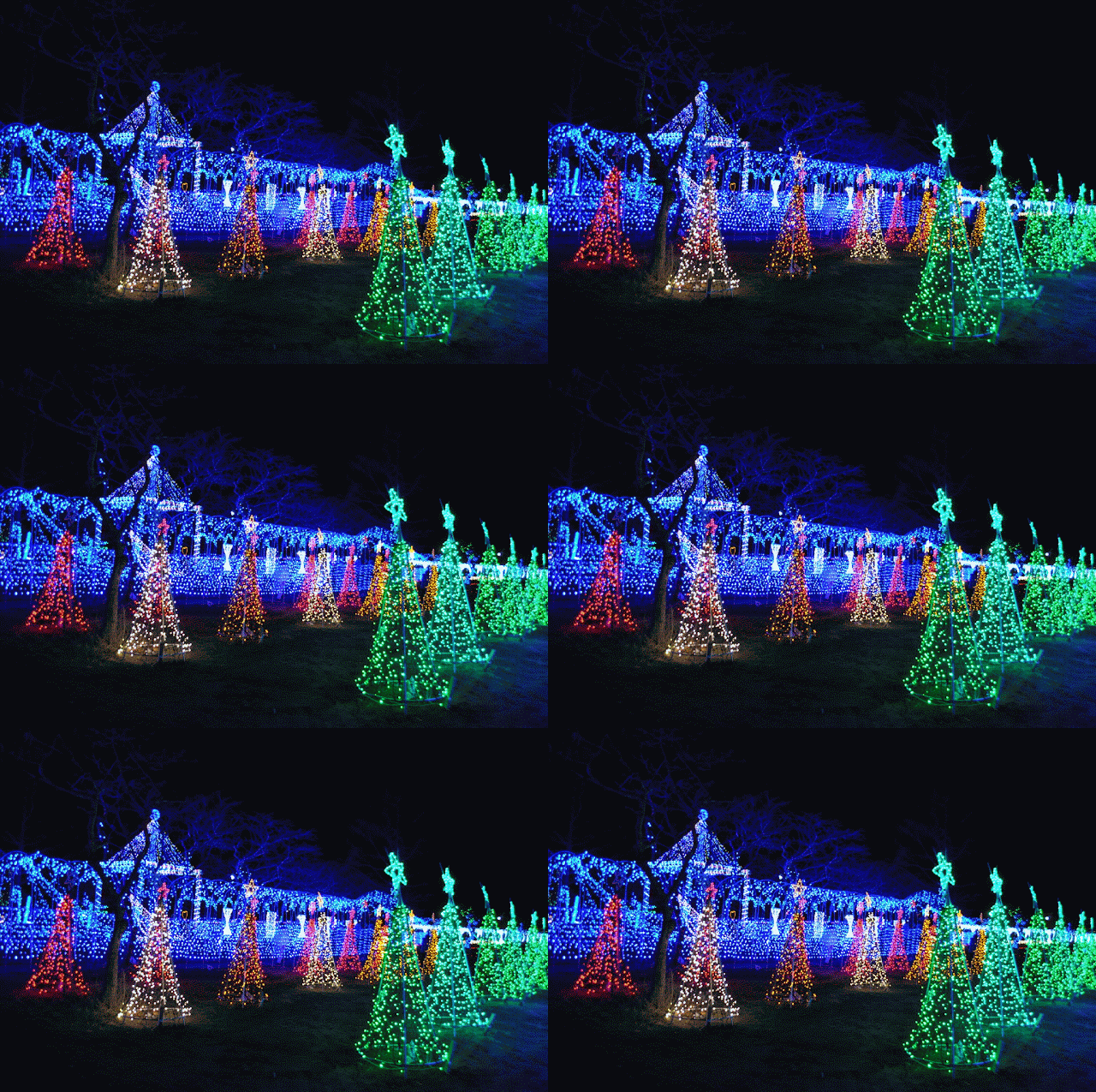
We stayed for the evening light illumination festival:

From Mt Eboshi and Lake Haruna

Check out the lights:

From Mt Eboshi and Lake Haruna

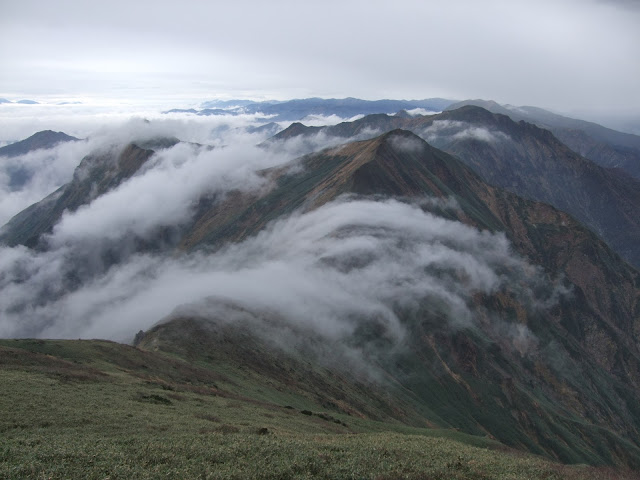
Tanigawadake Hike and Takaragawa Mixed Onsen

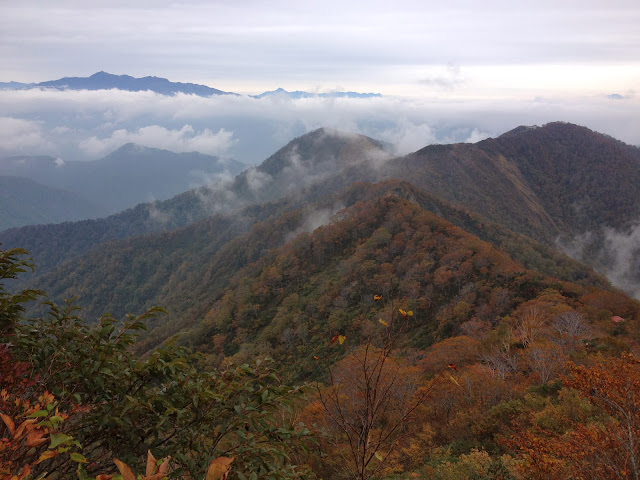
One of the things I told myself I would do more of last year was do more hiking. Autumn is the best season for hiking in Japan because the weather is a lot cooler and the colours of the leaves are pretty at that time of year.

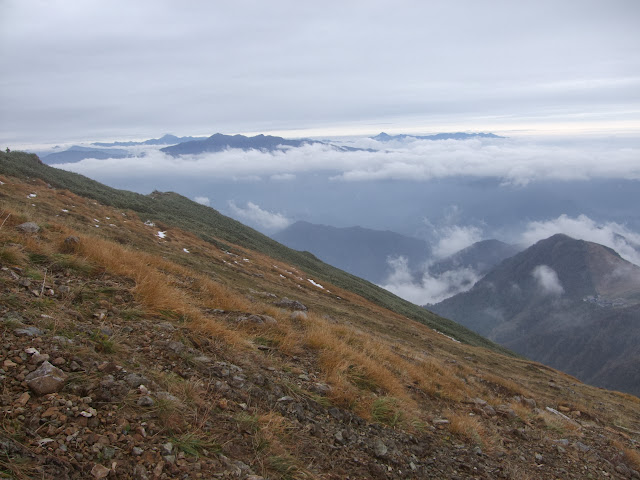
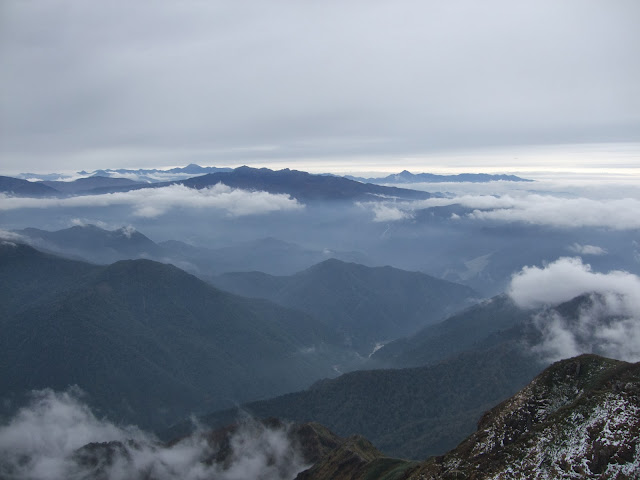
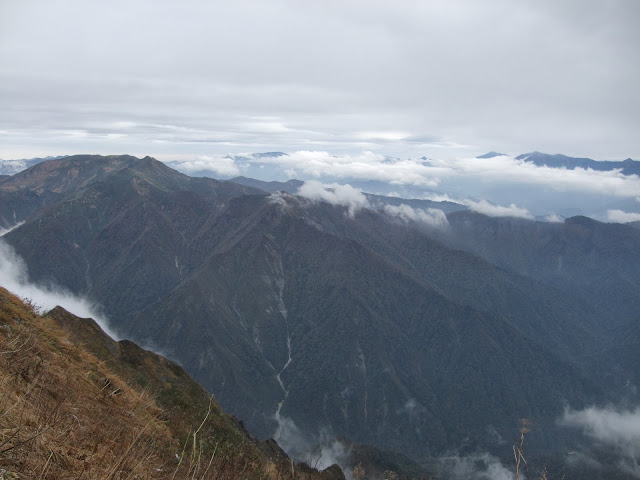
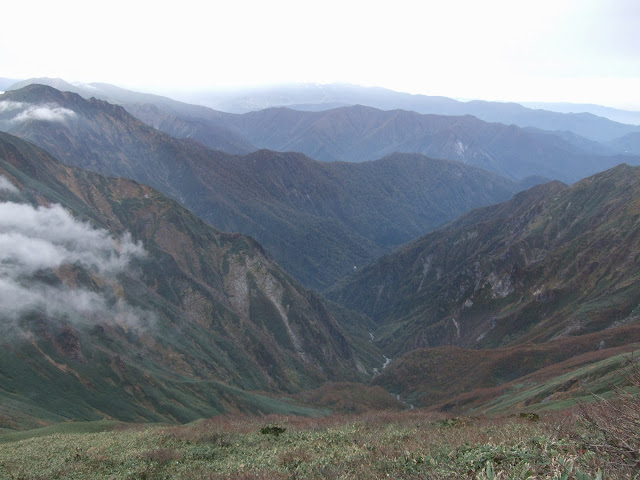
I don’t hike a lot, so this one was quite a tough one for me. It was a long, steep, rocky hike, but the view and landscape was pretty spectacular. Didn’t start off that way though.

From Tanigawadake hike

This was the Tanigawadake hike that I did last October (yes, a little overdue, I know).
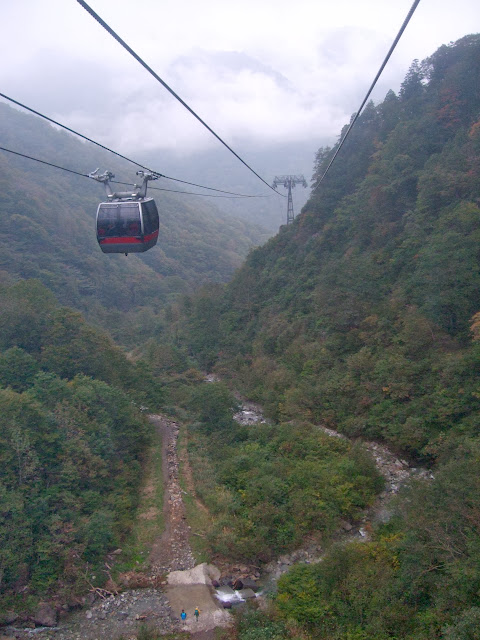
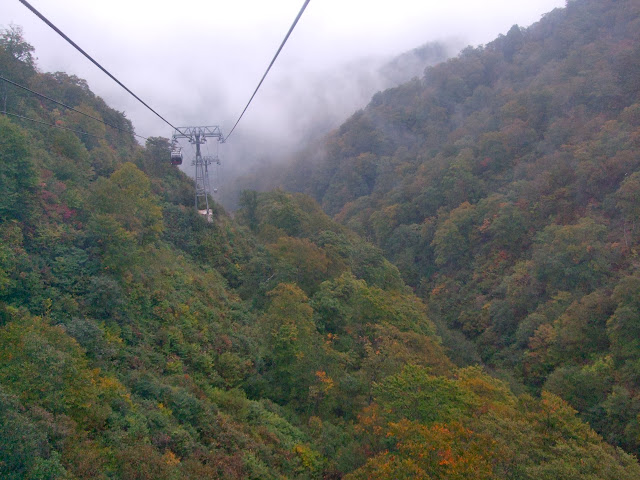
It first required taking the cable car:

From Tanigawadake hike

The leaves were just starting to change colour:

From Tanigawadake hike

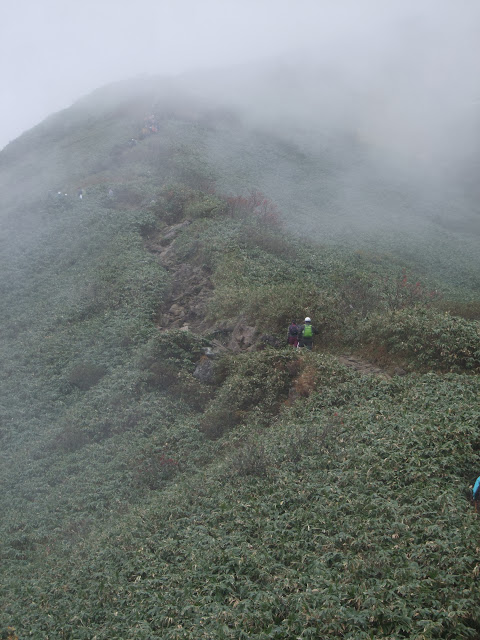
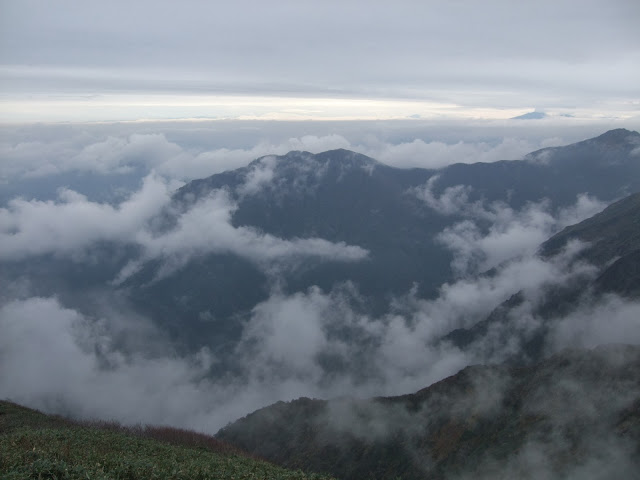
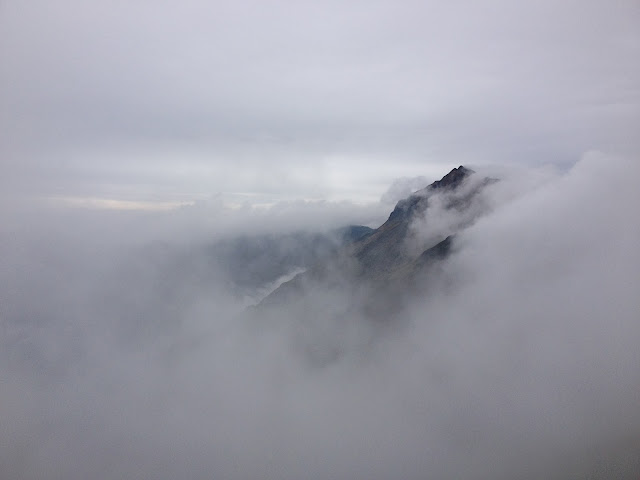
Conditions at the hiking start point did not look good. Not good at all. How is this for visibility:

From Tanigawadake hike

Trail was a bit muddy and wet too:

From Tanigawadake hike

The fog cleared a bit and we were on our way:

From Tanigawadake hike

Once we got closer to the top it was very picturesque. When I wasn’t sweating and panting away, I managed to get in a few photos. Ok, so more than a few photos.

From Tanigawadake hike

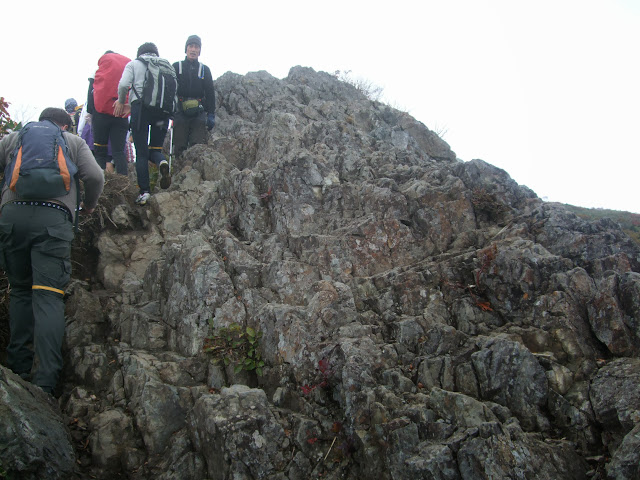
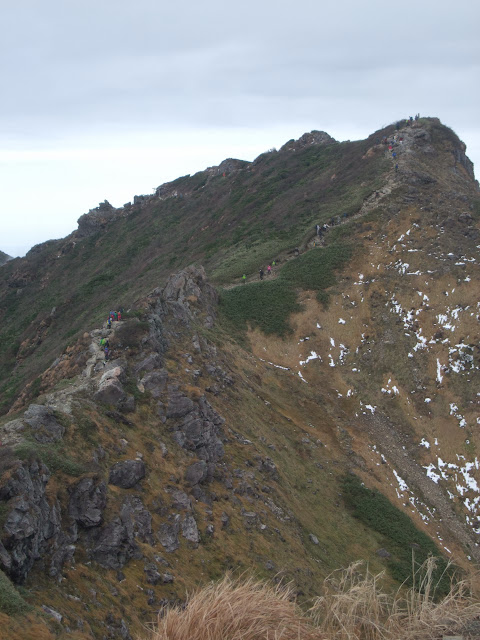
It got steeper and steeper. Not entirely sure if this was meant to be a hike or a rock climb!

From Tanigawadake hike

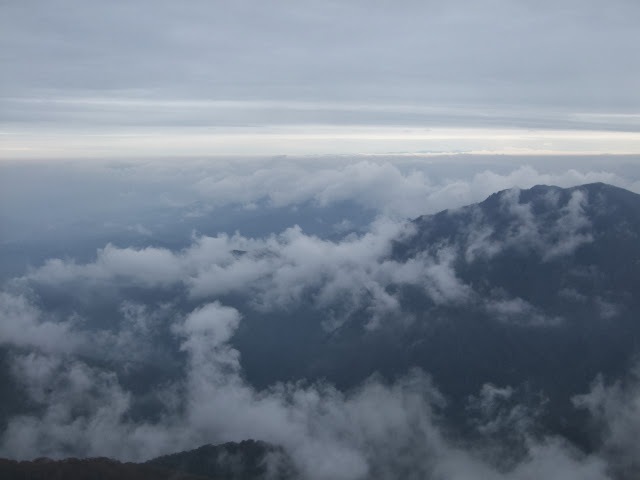
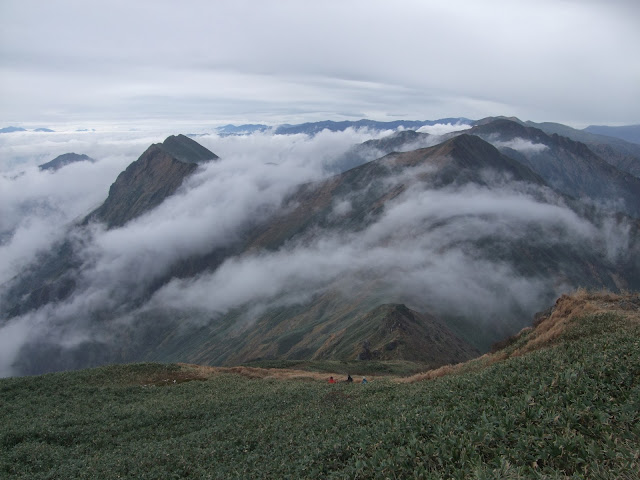
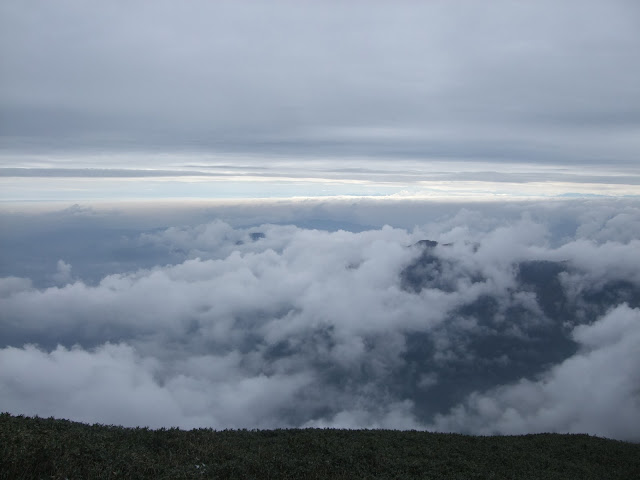
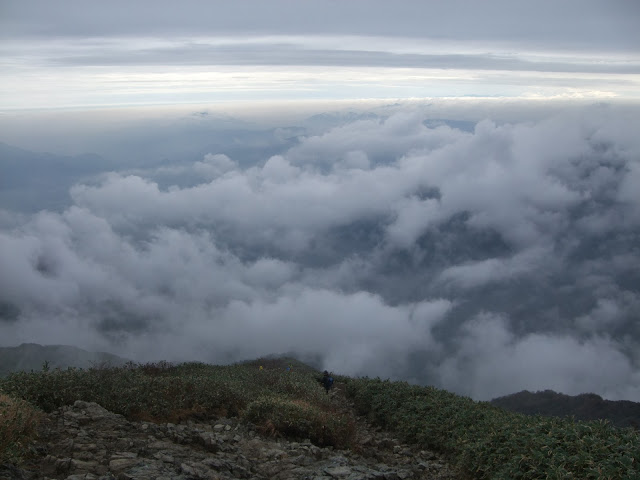
In amongst the clouds:

From Tanigawadake hike

You would have thought we were climbing Fuji!

From Tanigawadake hike

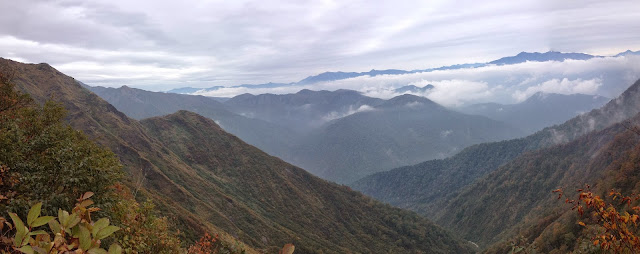
We were up pretty high:

From Tanigawadake hike

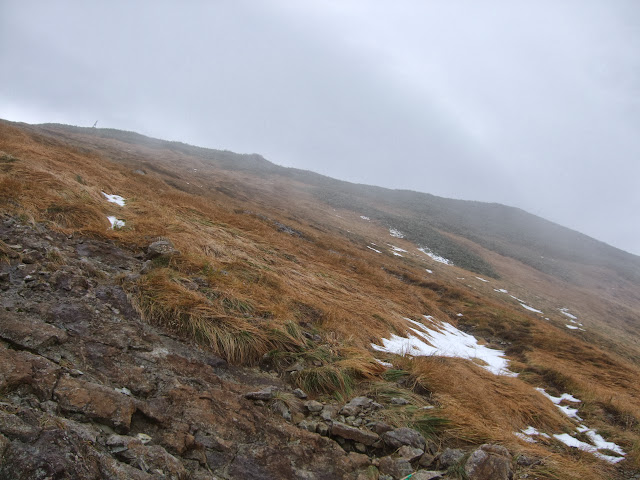
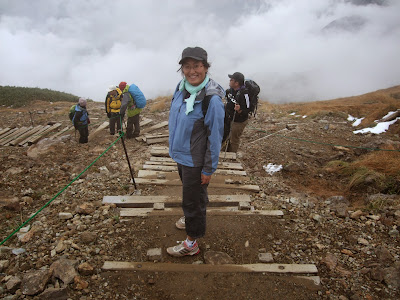
There were even some small patches of snow. And this was October!

From Tanigawadake hike

More climbing. Still not yet at the summit:

From Tanigawadake hike

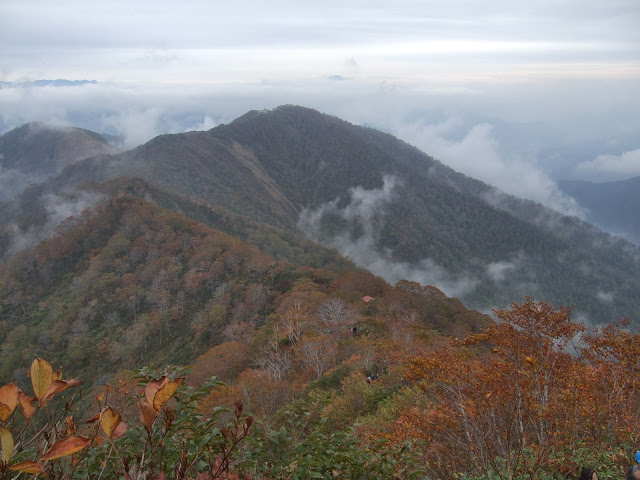
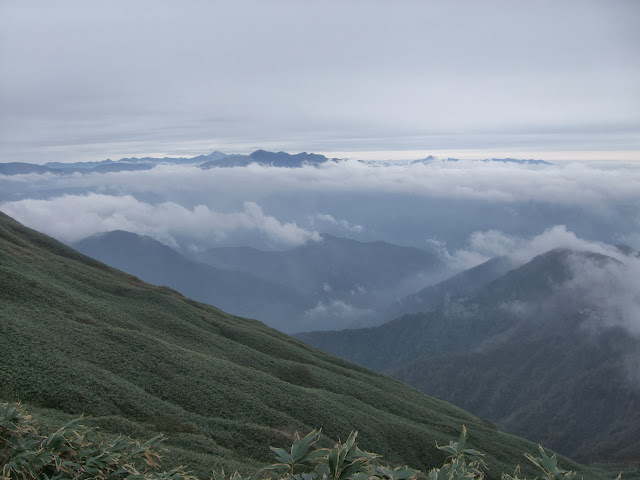
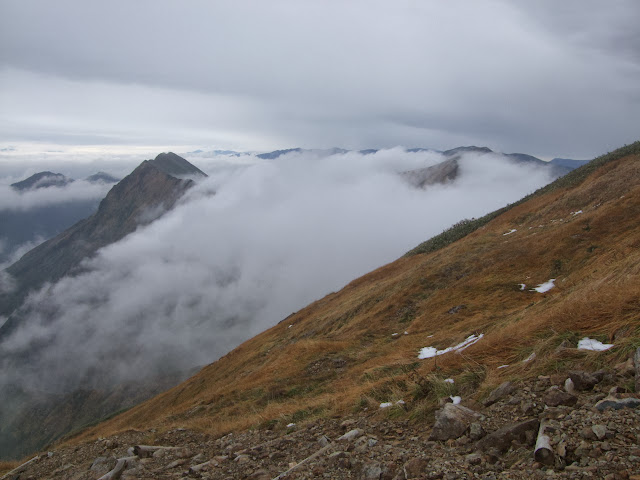
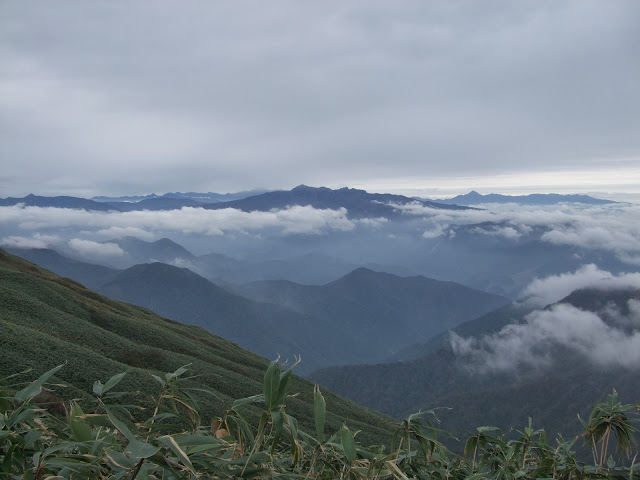
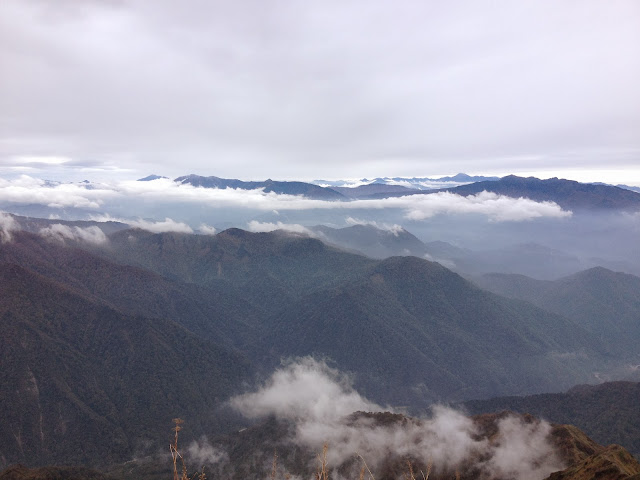
Stunning scenery:

From Tanigawadake hike

I finally reached one of the lower peaks (there was still the upper peak as well):

From Tanigawadake hike

I think I’m in heaven:

From Tanigawadake hike

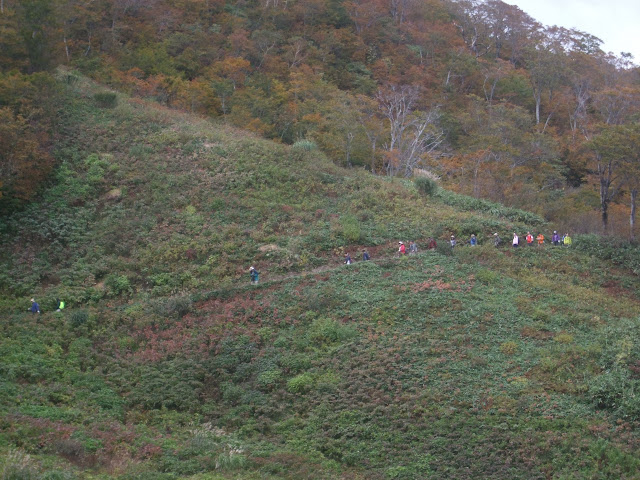
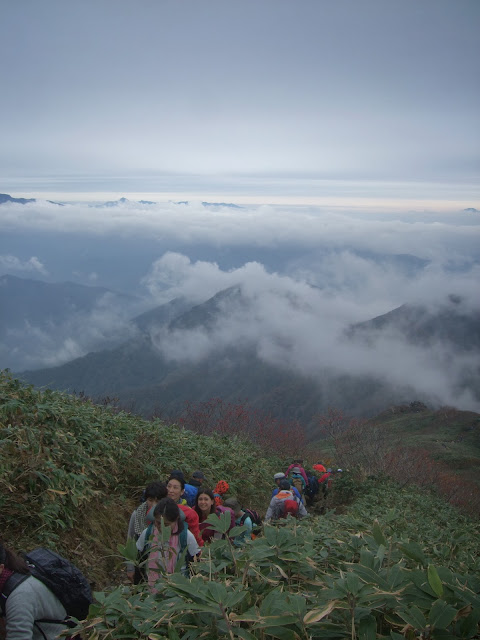
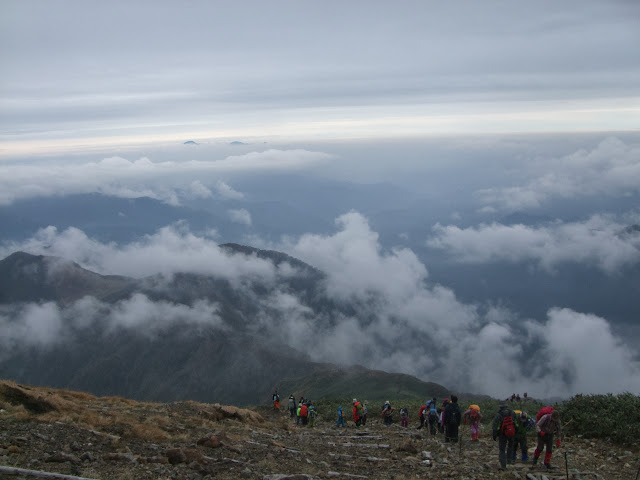
The trail of people:

From Tanigawadake hike

What goes up, must come down. Coming back down is worse than going up. And going up was no picnic.

From Tanigawadake hike

A beast of a mountain:

From Tanigawadake hike

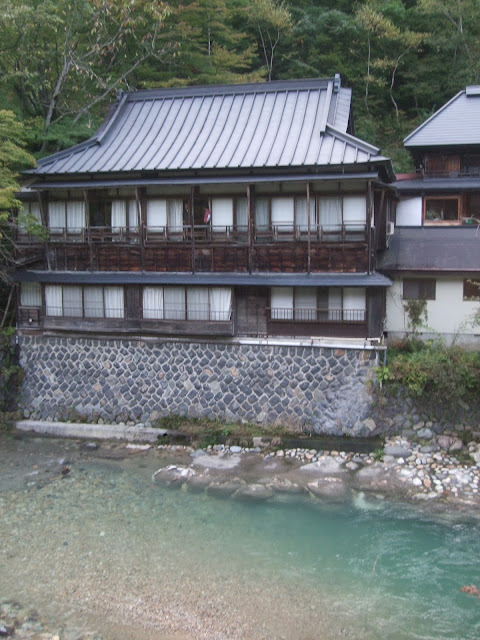
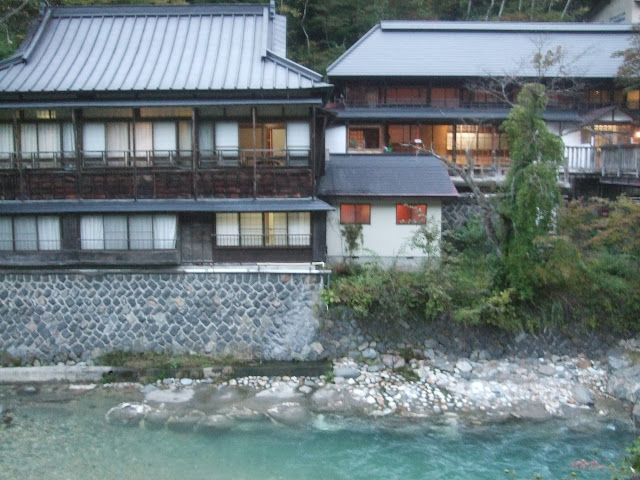
After a hardcore hike, we totally deserved an onsen. And we went to a really awesome. I can’t believe I didn’t know about this onsen. It’s a mixed outdoor onsen. There’s about 4 outdoor baths and all are mixed (there is one female-only onsen). This is one of the very rare mixed public onsens in Japan (no cossies allowed). You are allowed to rent a towel to wear into the hot springs though. Most of the ladies covered up with a towel (as I did), but be warned, that a lot of the men there won’t be so modest. The hot spring is a secluded location built across a river and there’s also a really nice ryokan you can stay at there.

From Tanigawadake hike

A very cool onsen:

From Tanigawadake hike

This is Takaragawa onsen for the record. Definitely want to come back to this place. Lots of different rotemburos to enjoy so long as you don’t mind being surrounded by naked people (towels are optional. Although I am glad I am not too much fatter than what I am because they towels on offer wouldn’t have covered all of me! Just something to keep in mind, if you’re on the bigger side).

Lake Biwa OWS

Having already cycled part of Lake Biwa, and SUPed on Lake Biwa, on Sunday it was time to swim Lake Biwa.

From Biwako OWS

The Lake Biwa open water swim race is annual race, and has been on my bucketlist for a while now.
It’s Japan’s largest lake, and it was also an excuse to cross off another prefecture to my tally, bringing it to 35 prefectures (out of 47). I’ve got another 12 prefectures to go!

On the Sunday morning, I was not looking forward to getting back on a bike saddle. That damn mamachari. A 60km cycle and a couple of hours of stand up paddleboarding was probably not the best thing to before a swim race.
It was thankfully only about 20min cycle to the race venue.

I got to see the local Nagahama castle along the way:

From Sunday Biwa cycling

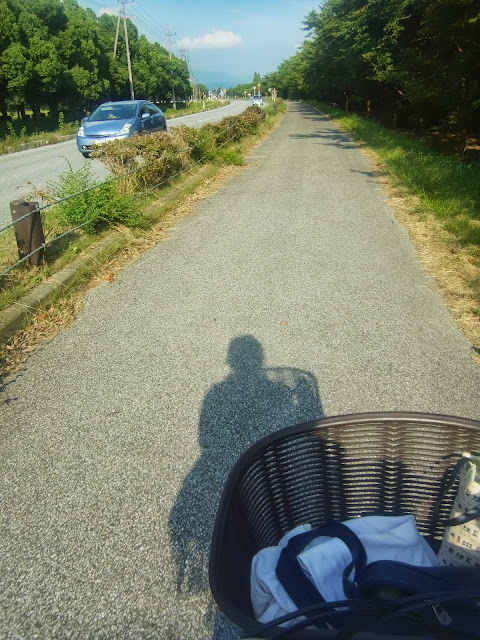
Again I cycled along the bike path around the lake this time in the opposite direction (north, anti-clockwise):

From Sunday Biwa cycling

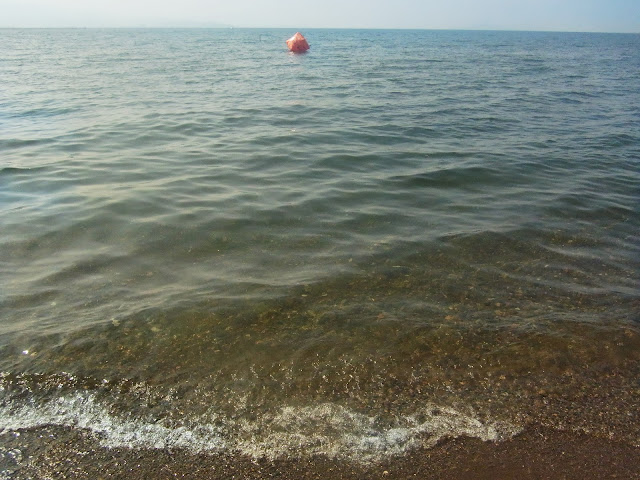
To my left was the lake:

From Sunday Biwa cycling

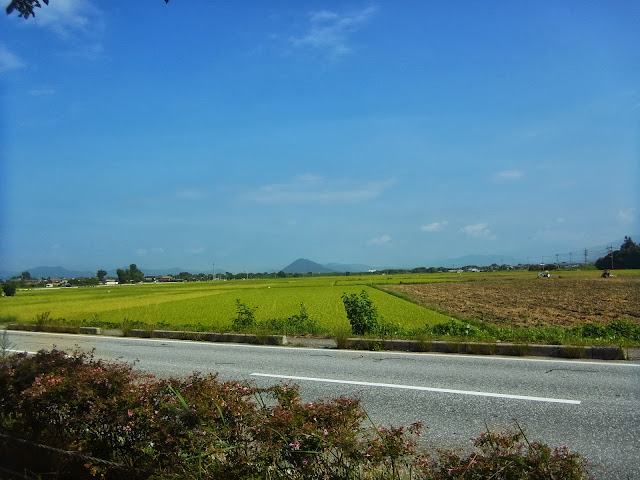
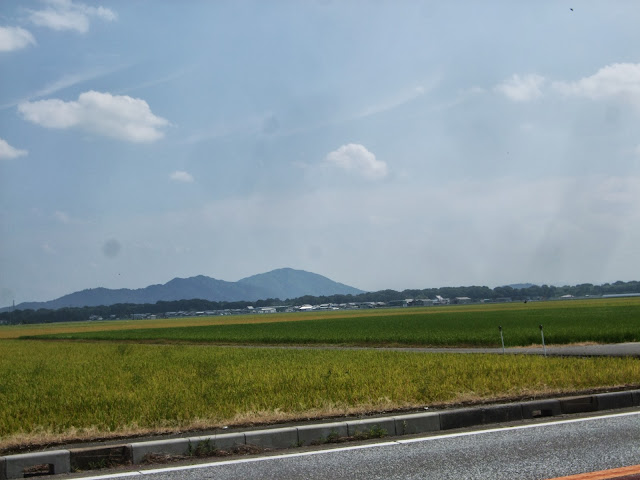
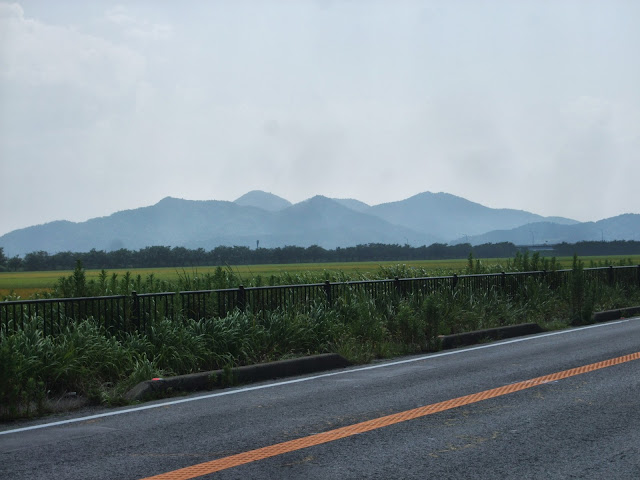
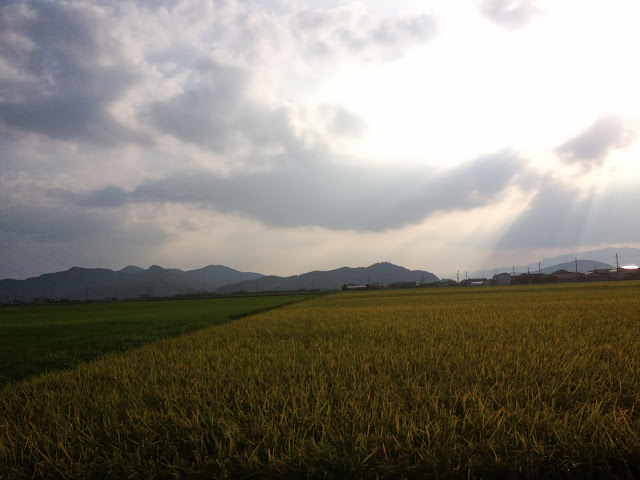
And to my right were rice fields and mountains:

From Sunday Biwa cycling

How very Sound of Music of me to be cycling through the countryside.

From Sunday Biwa cycling

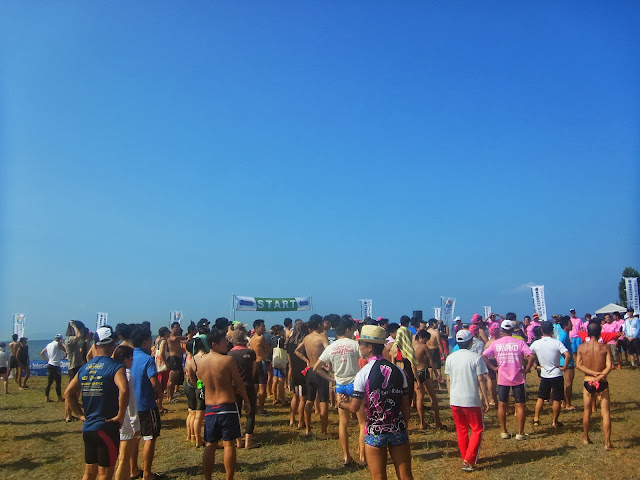
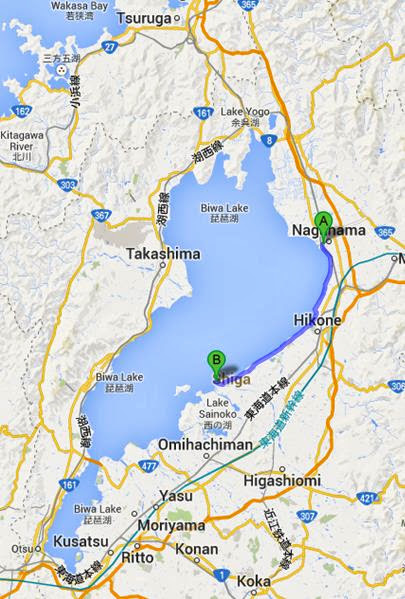
The Lake Biwa open water swim race was held at Minamihama swimming spot. I cycled there from Nagahama. The previous day I had cycled from Nagahama to Shiga and back.

From Biwako OWS

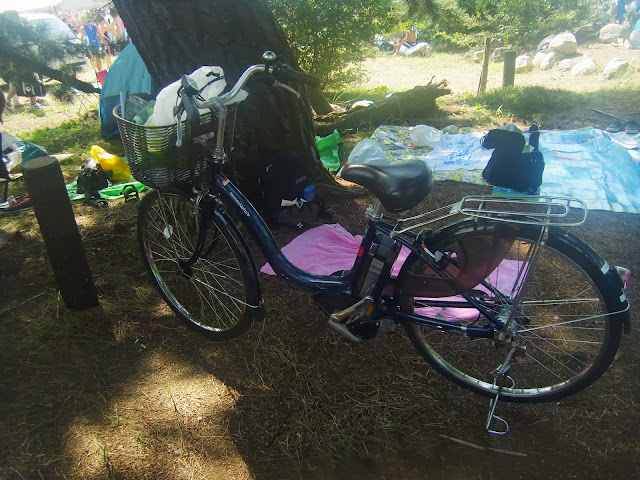
I got to the race venue and parked the bike in the shade and settled in for a long hot day.

From Biwako OWS
From Biwako OWS

I usually do beach swims, but a freshwater lake swim was going to be a nice change. None of that saltiness.
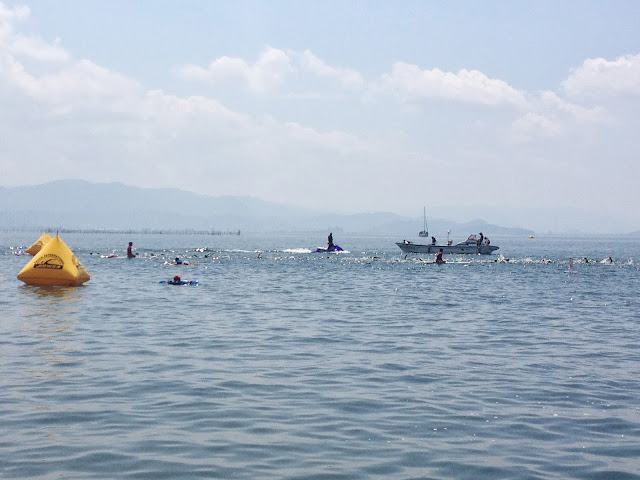
The most surprising thing about this swim was how disgustingly warm the water was. It was 30.5 degrees. It was in truth, a little dangerous. Especially when you’re going flat out, air temps were about 35 degrees, and you gotta swim 3.2km!

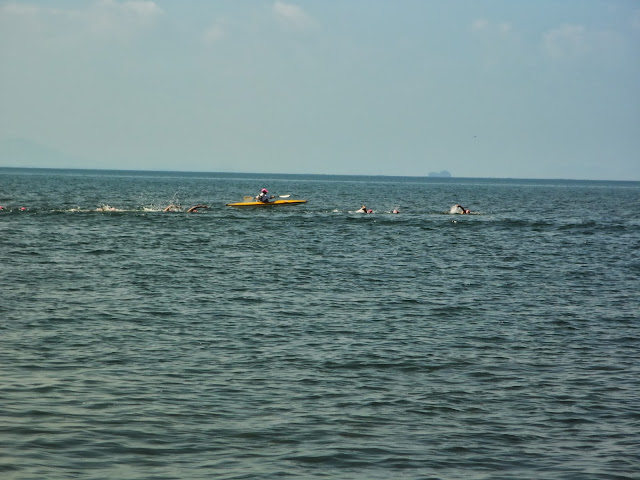
The lake though is pretty flat so conditions were pretty good for swimming, apart from the heat factor.

From Biwako OWS
From Biwako OWS
From Biwako OWS

I was entered in the 3.2km race which didn’t start until about midday.
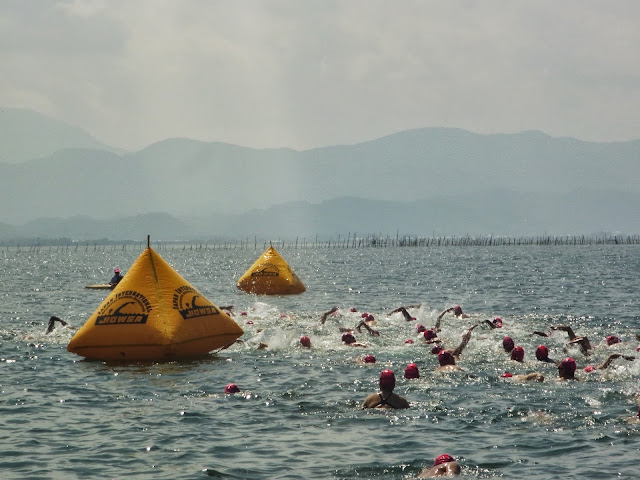
It was 600m straight out, 700m across, and then 300m back in, times 2 laps of that course.

From Biwako OWS
From Biwako OWS

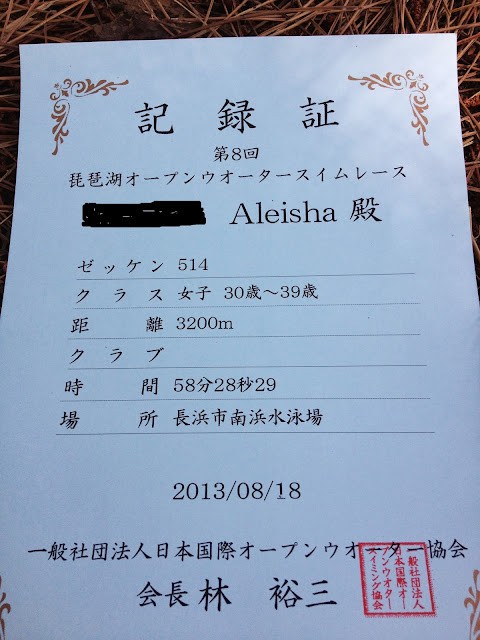
Race number 514:

From Biwako OWS

It was a super hot day. Most people had brought along tent shades to camp out for the day:

From Biwako OWS
From Biwako OWS
From Biwako OWS

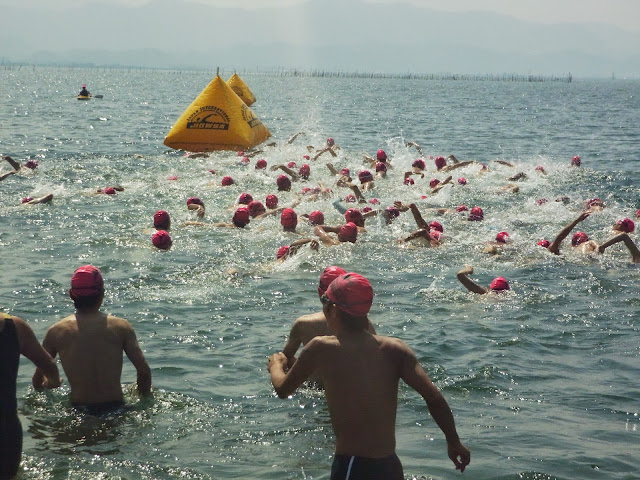
Here are some action shots from the 500m race:

From Biwako OWS
From Biwako OWS
From Biwako OWS
From Biwako OWS
From Biwako OWS

Eventually it was my time to race. There was about 200 people in the 3.2km swim.
I swam pretty fast and overtook a lot of people. The water was dangerously warm though. Not good. Not good at all.

Ended up with a time of 58minutes for a 3.2km swim which I was super happy with. I barely ever break the hour for a 3km swim. I felt dizzy and lightheaded afterwards though….a bit of heatstroke I think. I came 19the female overall (out of 35), and I think I got between 4-6th place in my age group. No prizes but I did walk away with a PB.

From Biwako OWS

Swim Lake Biwa. Check.

From Biwako OWS

Watch this space. There is talk of a Lake Biwa swim crossing next year which a friend or two and I are tossing around. There is an annual Lake Biwa crossing swim race – 16km, but it’s a relay event. We are thinking about solo crossings….whether this will actually happen or not, I’m not sure….

Only one more swim race of the Japan summer season to go….but there will be an Aussie swim race to report back on later in the year . I’m excited about that one!

Lake Biwa: Cycling

Got up early on Saturday morning to travel from Tokyo all the way to Shiga prefecture.
Had planned on taking the overnight bus but the buses were booked out way in advance due to Obon and summer holidays. The shinkansen it was then.
From Tokyo to Maibara, it took about 2.5 hours on the shinkansen and then a short 9min local train to Nagahama station where I would stay overnight.
Upon exiting Nagahama station I headed straight for the west exit and to the rentacycle shop. There, I rented a bike for 2 days (for the Saturday and Sunday – only 2000yen for 2day rental plus a 500yen refundable deposit). I was going to be swimming a race in Lake Biwa on the Sunday and had to stay overnight the night before. I figured I would make the most of the weekend in Shiga ken.

The guys are the bike rental shop were super lovely and friendly. In fact, everyone I met in Shiga prefecture was super friendly. They only had electric bikes, so I made do with that. The guys were really concerned about the battery not lasting much more than 60km (I had told them I would be riding 60-70km on the Saturday alone). I would need to come back on Sunday morning to replace the battery.

Armed with my electric mamachari complete with basket, my plan was to ride to Notogawa about 30-35km away. I had found a place there where I could rent SUP boards. I sent off from Nagahama at about 11:40am. It was about 34-35 degrees. It was gonna take me a couple of hours to cycle there.

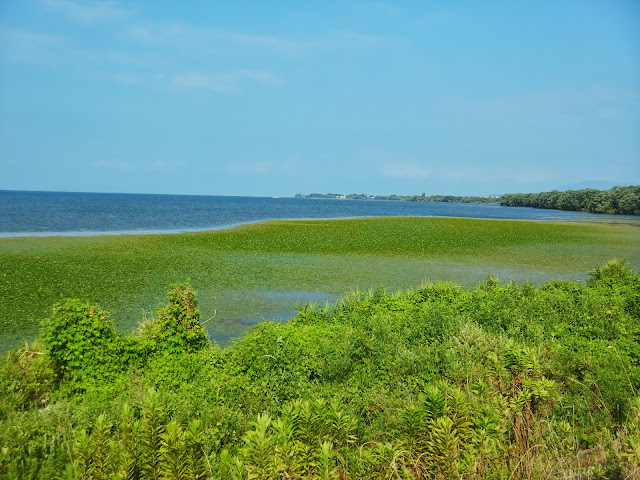
Lake Biwa is Japan’s largest lake (freshwater). It has a circumference of approx. 235km. At its maximum length it’s about 63.5 km and maximum width of about 23km.

This is Lake Biwa:

From Saturday Biwa cycling

This is how much of it I cycled in 2 hours:

From Saturday Biwa cycling

The most painful 30km ever. Cycling is not at all a comfortable sport. It was hot, I was carrying my overnight backpack, and my arse was killing me. Cyling is just nasty.

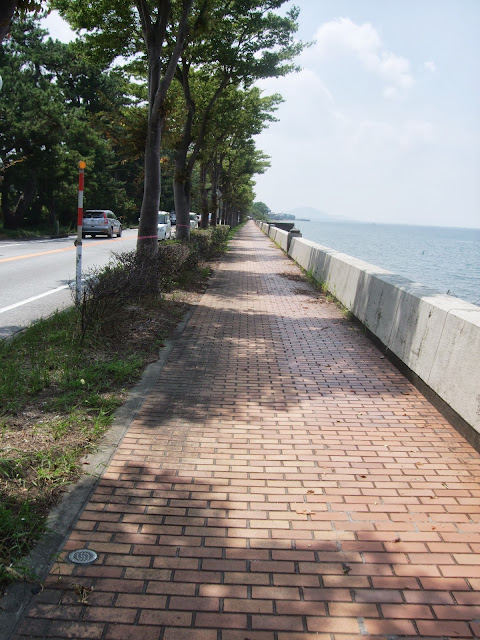
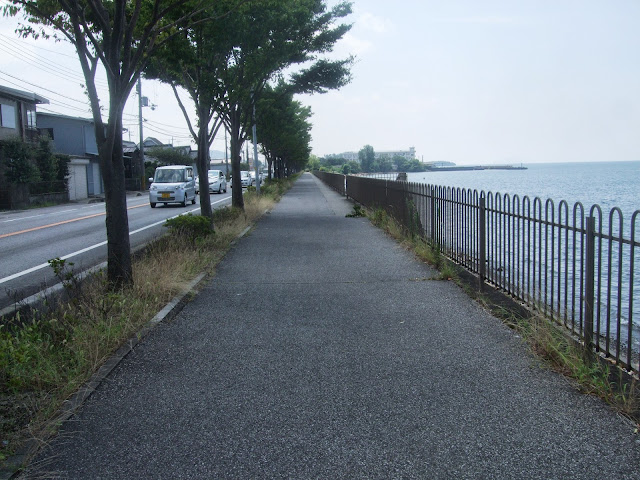
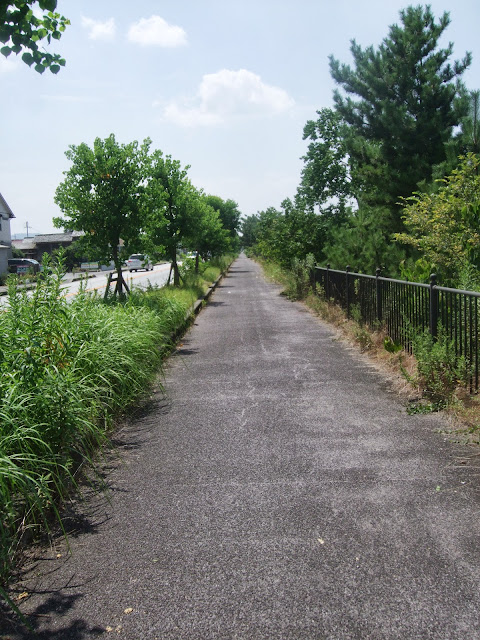
You can cycle all around Lake Biwa. There is, for the most part, an awesome cycle path that follows around Lake Biwa along the main traffic road. It is also pancake flat (or at least the portion that I cycled).
It’s a pretty easy cycling route, minus the bike discomfort factor.

Cycling around Lake Biwa in photos:

Follow the path:

From Saturday Biwa cycling

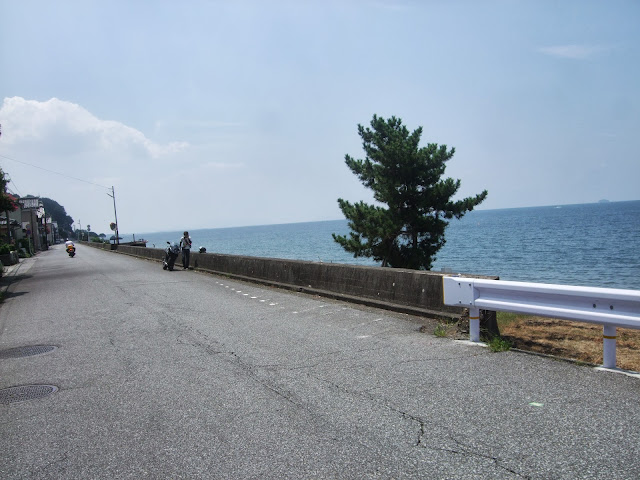
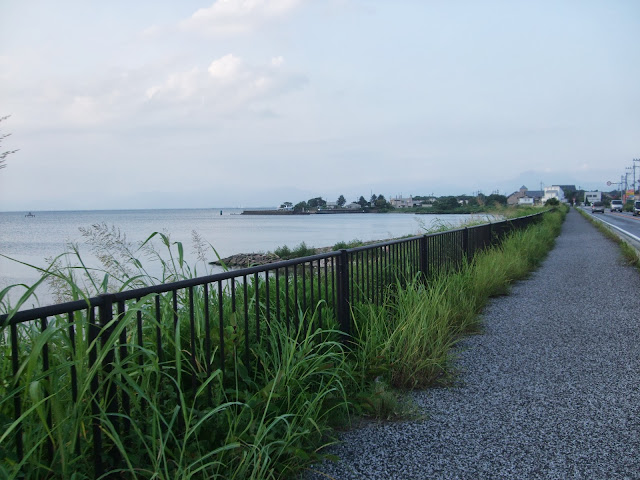
Alongside Lake Biwa:

From Saturday Biwa cycling

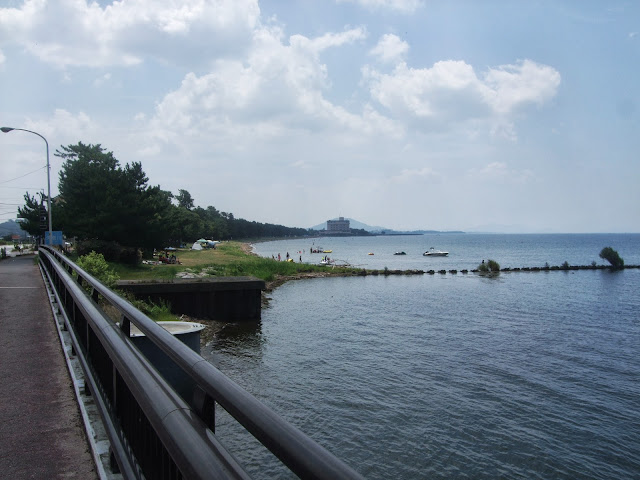
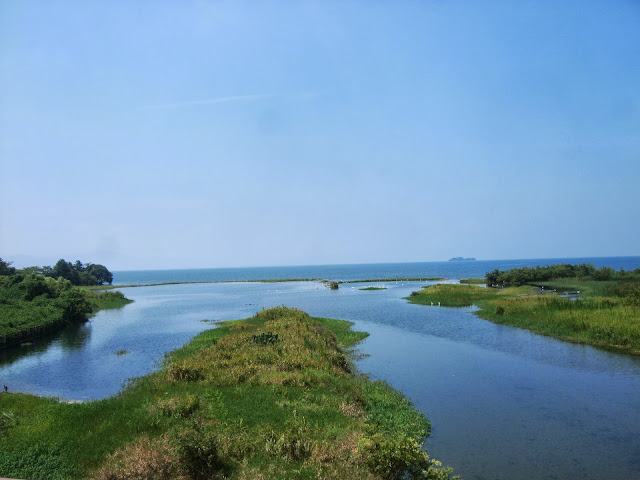
The lake stretches on for a really really long time:

From Saturday Biwa cycling

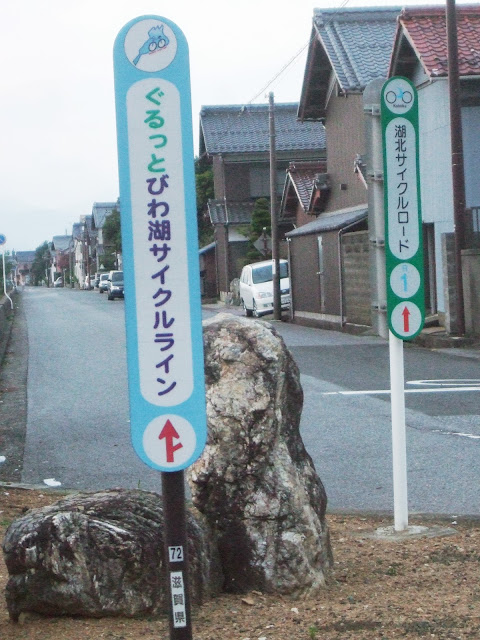
There are cycling road signs around Lake Biwa so you shouldn’t get too lost. I did have to detour a couple of times though.

From Saturday Biwa cycling

There’s a tiny tiny island out in the middle of Biwako:

From Saturday Biwa cycling

Every now and then, you’ll have to veer through off the main road and away from the lake.

From Saturday Biwa cycling

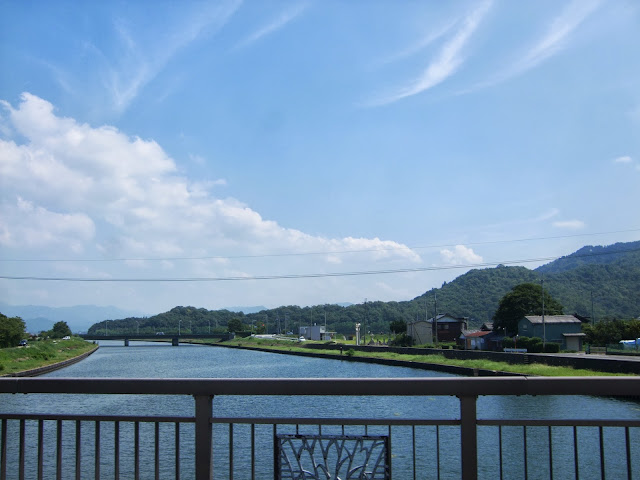
There’ll be more than a handful of bridges to cross as well, as lots of little rivers run off the lake.

From Saturday Biwa cycling

Whilst I was pedaling away, this guy was just chillin’:

From Saturday Biwa cycling

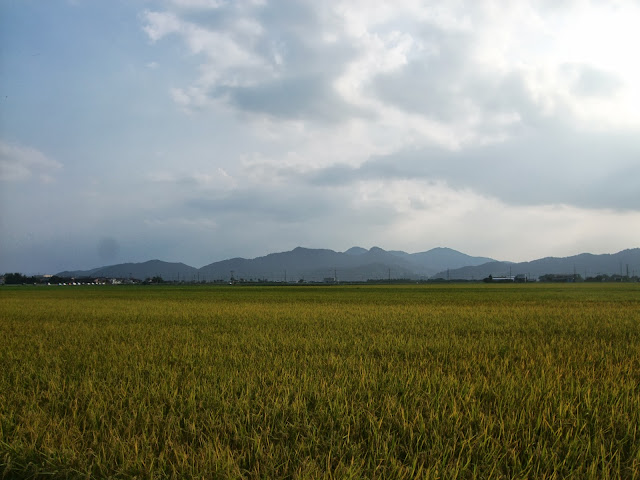
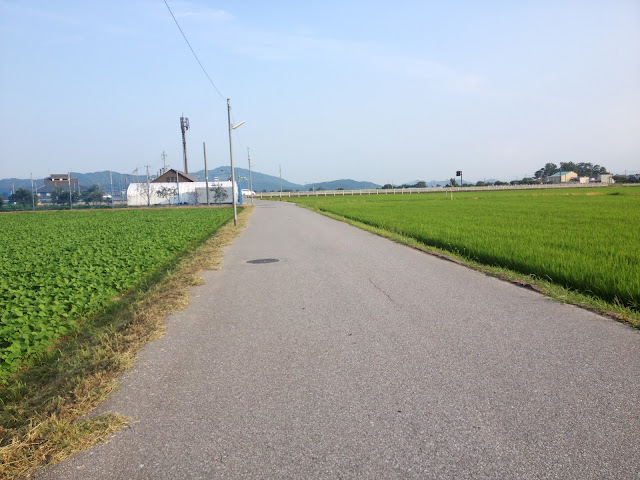
Whilst the lake dominates the view on one side, you’re surrounded by rice paddies on the other.

From Saturday Biwa cycling

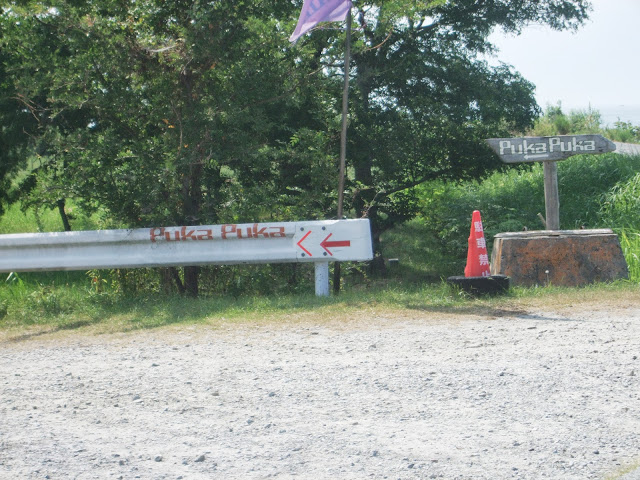
After a couple of hours of cycling, and weaving in out of some rice paddies, I finally stumbled upon my destination:

From Saturday Biwa cycling

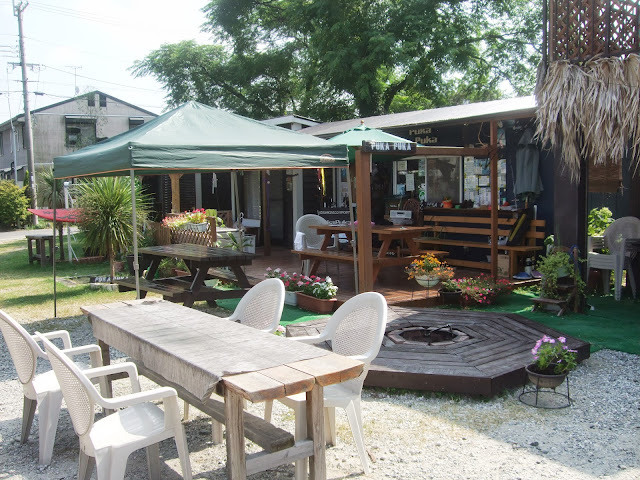
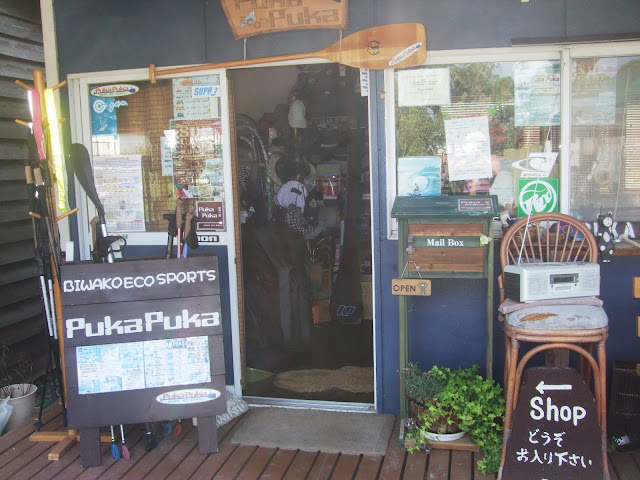
This was the SUP rental place. They went all kinds of water sporting gear here.

From Saturday Biwa cycling

Such a cool little place. You can even stay overnight there.
From Saturday Biwa cycling

It was about 2pm ish by now. Just enough time to get in a couple of hours of SUP. I’ll tell ya what though, my arse from cycling was killing me. I was not looking forward to cycling back. The guys at this shop were super super friendly. They gave me a free ice cream which was a welcome treat after that cycle. They drove me to a nice flat section of the lake where all the other SUPers were. Away I went. Doing anything but cycling, was pure bliss. Good conditions to SUP on – Lake Biwa is really flat, although the wind picked up later which made paddling a bit tough.

From Saturday Biwa cycling

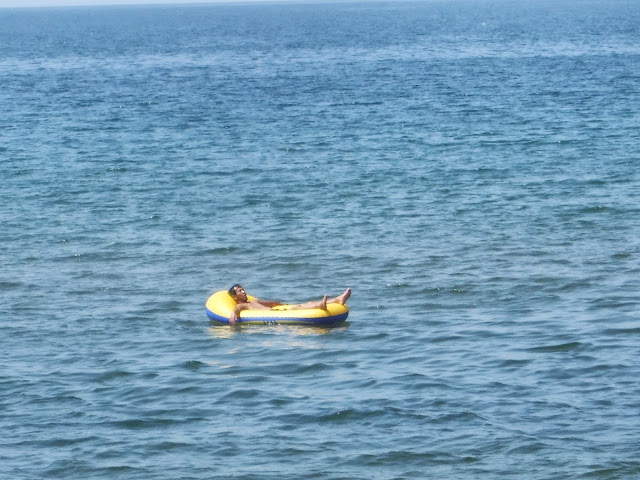
The water temp of Lake Biwa was disgusting warm. About 30 degrees.
I enjoyed my time out on the water – very zen. SUP is so relaxing. For me, just being out on/in/near the water is very relaxing and recharging. The other SUPers out there were all super friendly. They were all crazy fast SUPers and compete in races. One of the guys was fast enough to win himself a Hawaii flight prize at one his races. Impressive. I also met an American guy who is the owner of a surf and SUP board store back in Chiba. Got his details, so will probably check out his shop/surf school and check out the beaches in Chiba to keep practising.

At about 5pm I had to think about heading back. Ugh. I had to cycle another 2 hours back. I’m sure my backside was wincing at the thought.

From Saturday Biwa cycling

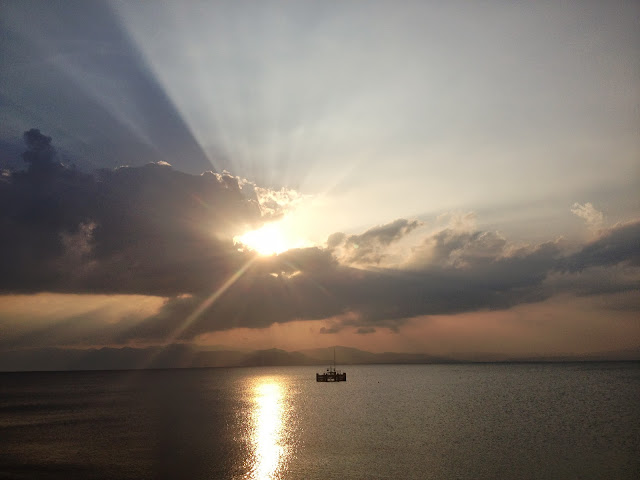
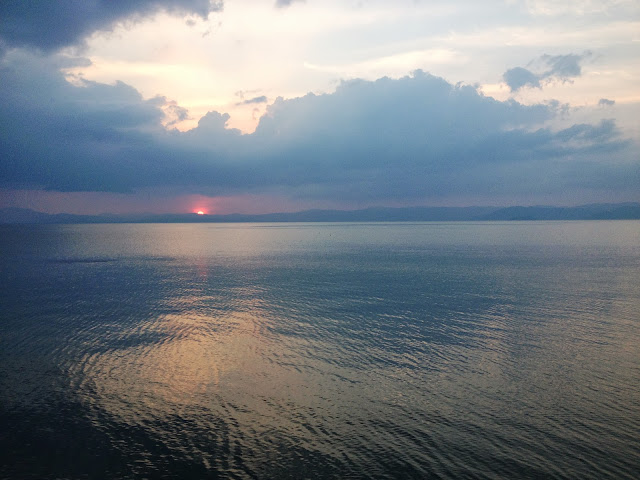
I ploughed back to Nagahama on the bike. Did get to see a lovely sunset over Lake Biwa though:

From Saturday Biwa cycling

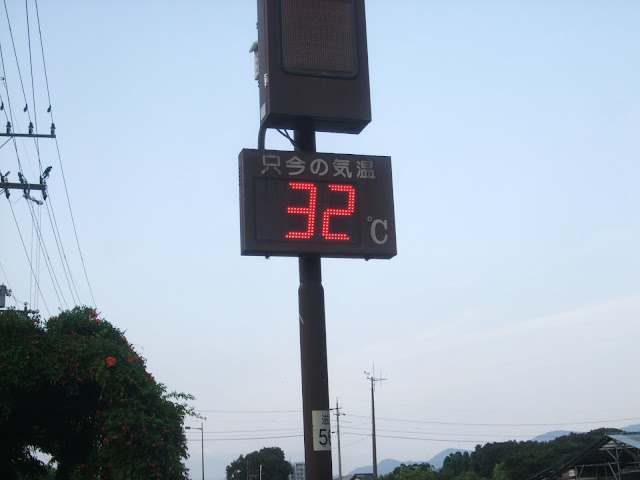
Even at 6pm it was still 32 degrees!

From Saturday Biwa cycling

It was dark by the time I got back to my hotel.
60km cycling around Lake Biwa. And Stand Up Paddleboarding on Lake Biwa.
My arse will thank me if I never have to get back on a bike again.
In fact, I’m actually tempted to sell my 1-year-old roadbike and get a SUP board instead.

Yo wasSUP

Have found a new hobby that I’m addicted to: Stand Up Paddleboarding (SUP).
So much fun! I’ve gone two weekends in a row now.
It’s been something that I had wanted to do for ages but never got around to until this summer. I had a sneaking suspicion that I might be half decent at it. I tried it for the first time a couple of weeks ago down at Koshigoe (near Enoshima). I got a lesson for a couple of hours and then had a bit of practice on my own. I was on an air SUP board which is a little trickier. And it was down at a surf beach where the conditions were a little tougher. Paddling is easy. The hard part is standing and balancing. I fell off the board so many times and ended up with major knee rash from the amount of times I had to heave myself back on the board.

Fast forward to the weekend just gone. I spent the weekend at Shiga prefecture for another open water swim race (that’ll be a separate post). I spent my time at Lake Biwa. With my newfound addiction, I researched on the Internet for SUP board rentals at Lake Biwa. I was in luck!

Found an awesome little water eco sports outfit that did SUP board rentals. Super cool, nice people. They even gave me a free ice-cream! They drove me down to a nice area of the lake where I went and SUPed. It was only my second time and it was out on a flat lake so it was soooo much easier. And I had proper board. Managed to not fall off once!

SUP is such a good workout! Really works the calves, and if you look at talented SUPers they have well-built calves. Being short (like myself) also helps because you need a lower centre of gravity to maintain your balance. It’s also quite the core workout. Being short and stocky, I have a bit more natural advantage, so I didn’t find it so difficult. I just need more practice and practice to work on my speed. Haven’t quite got up to SUP surfing yet!

Having since partaken in SUP, I’ve gone all OCD and have been researching all about it on the internet – mostly places where I can get rentals (SUP boards are expensive to purchase!). There are also SUP races which I might be tempted to do next year. In particular, there is an awesome event called “Paddle Mix” which is a 1km open water swim + 1km SUP + 4km run. That is totally my cup of tea!!!! I definitely want to enter it next year.

It’s such a bummer I live too far from the beach. It takes 2 hours to get to the closest beach from Tokyo. And it’s an expensive hobby. I guess it’s a little bit like snowboarding but on the water.

Here are some action pics of SUPing at Lake Biwa, ah fun summer days!

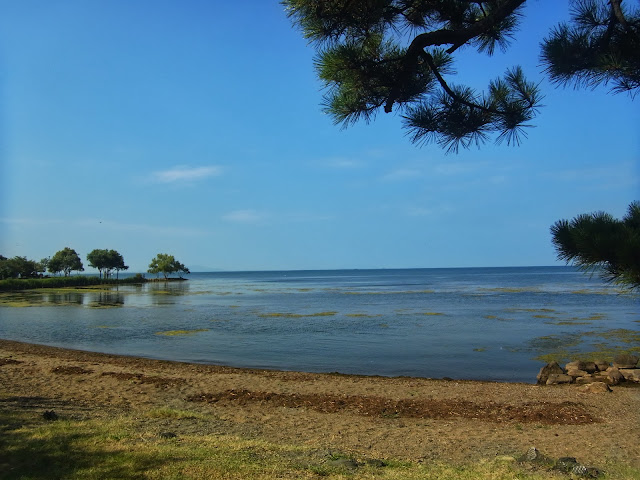
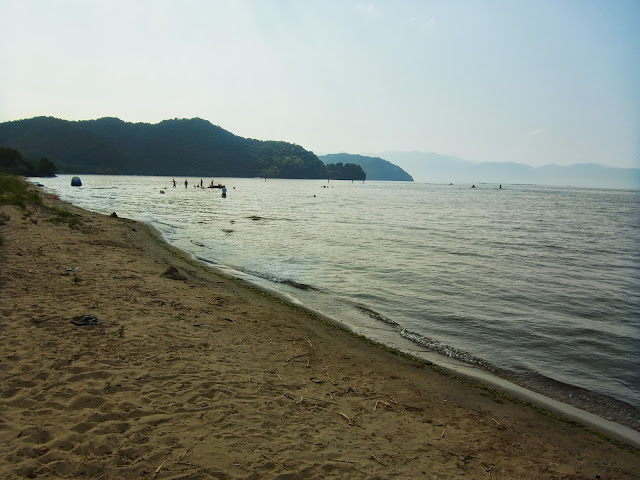
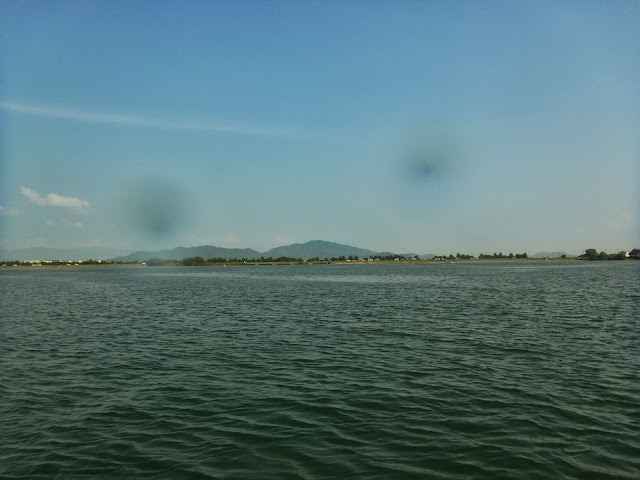
The shores of Lake Biwa – the largest lake in Japan:

From Biwako SUP
From Biwako SUP
From Biwako SUP
From Biwako SUP

Out in the middle of the lake (I had my waterproof camera with me):

From Biwako SUP
From Biwako SUP

Nice flat waters – ideal for starting out.

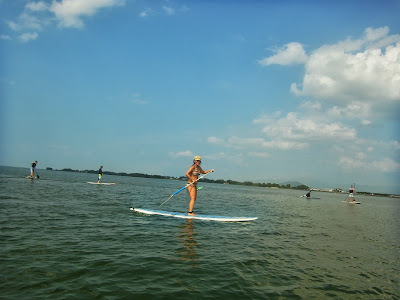
Me out on the water:

From Biwako SUP

A pro SUPer in the making, mark my words:

From Biwako SUP
From Biwako SUP
From Biwako SUP
From Biwako SUP
From Biwako SUP
From Biwako SUP
From Biwako SUP
From Biwako SUP

It’s so relaxing, just being out on the water, paddling away.

From Biwako SUP

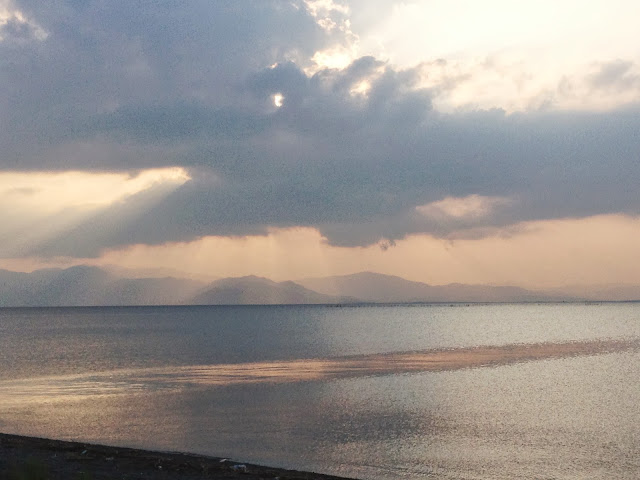
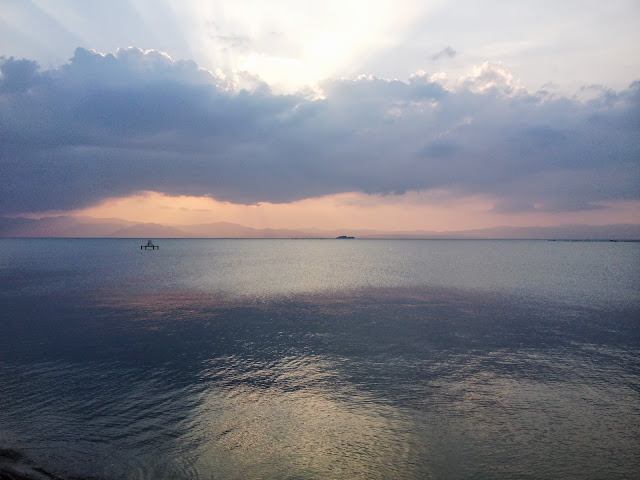
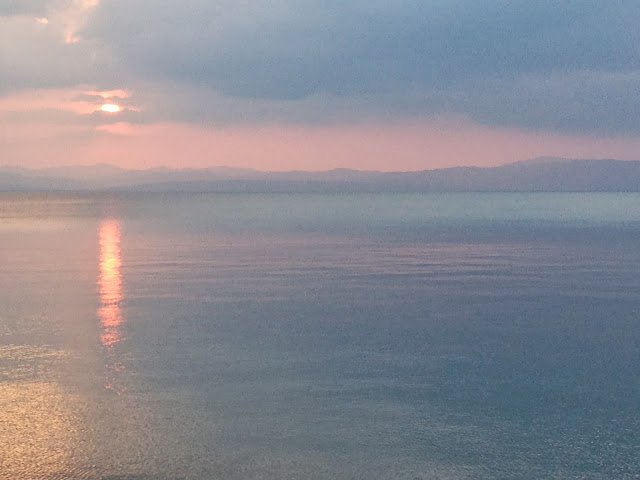
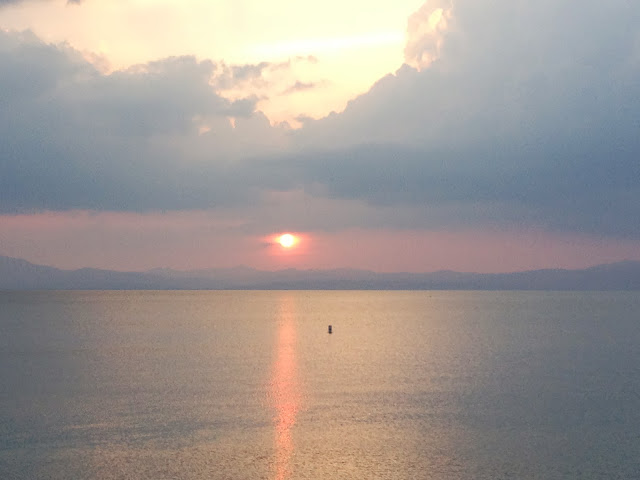
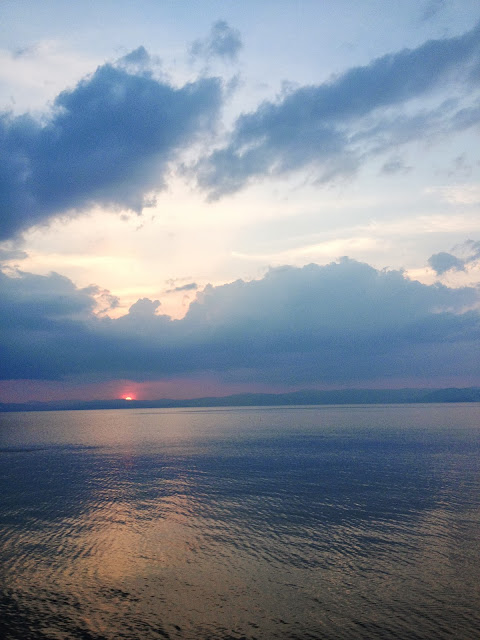
Sunset over Biwako:

From Biwako SUP
From Biwako SUP
From Biwako SUP
From Biwako SUP

What can I say, I had an uber SUPer weekend!

A walk through Bukchon Hanok village

I only had three full days in Seoul. Just a short trip. So I had to cram in as much as possible.
I didn’t realise at the time of booking this trip that I would be going in their rainy season! It put a dampener on things, to say the least. It rained every day that we were there. I was not a happy girl. Of course, the last day I was there, it didn’t rain.
I got wet a lot. So much rain! South Korea may the Land of the Morning Calm, but what the tourism brochures fail to mention is that Seoul is the city without drains. The rainy season is made worse by the fact that there is a complete lack of drains, road sewerage systems so the streets just flood in water until your feet and shoes are soaked through.

Braving the downpour, I took a stroll through Bukchon Hanok village, which was walking distance to where I was staying in Seoul. The village is a traditional, historical Korean village with tiled roofs. You can do homestays at the “Hanoks” which I guess is like a Korean version of a ryokan. Walking up and down the little slopes, you can find little boutique art and craft stores, tiny galleries and museums/workshop venues.

I just meandered around the village on my own down little paved streets, not really knowing where I was going.

From Bukchon Hanok village

I stumbled upon the highlight of the place- the Bukchon observatory which is actually the third floor of a house/apartment building. For 3000won (about 3buks entry, you got a great view over Seoul and a free drink). I had gotten there quite early and was the only person there. I camped out there for a bit enjoying a beverage, the view, the free WiFi and the serenity.
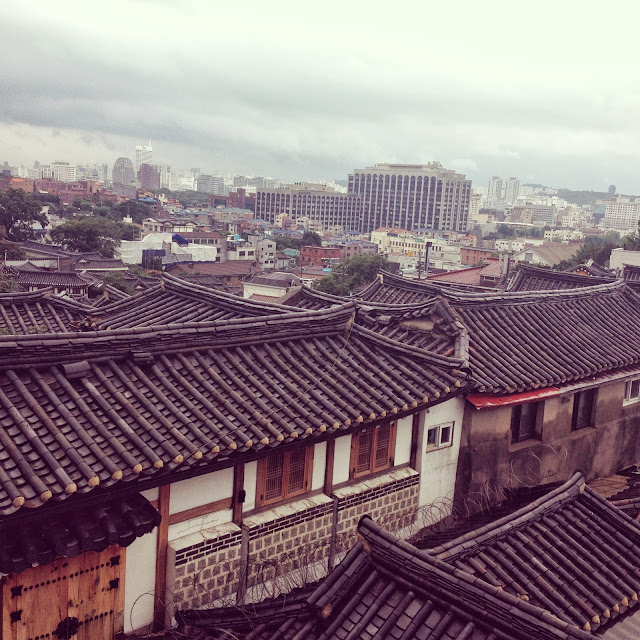
The view looks out onto over the tiled rooftops of the traditional houses:

From Bukchon Hanok village

The old and the new, the modern and the traditional:

From Bukchon Hanok village